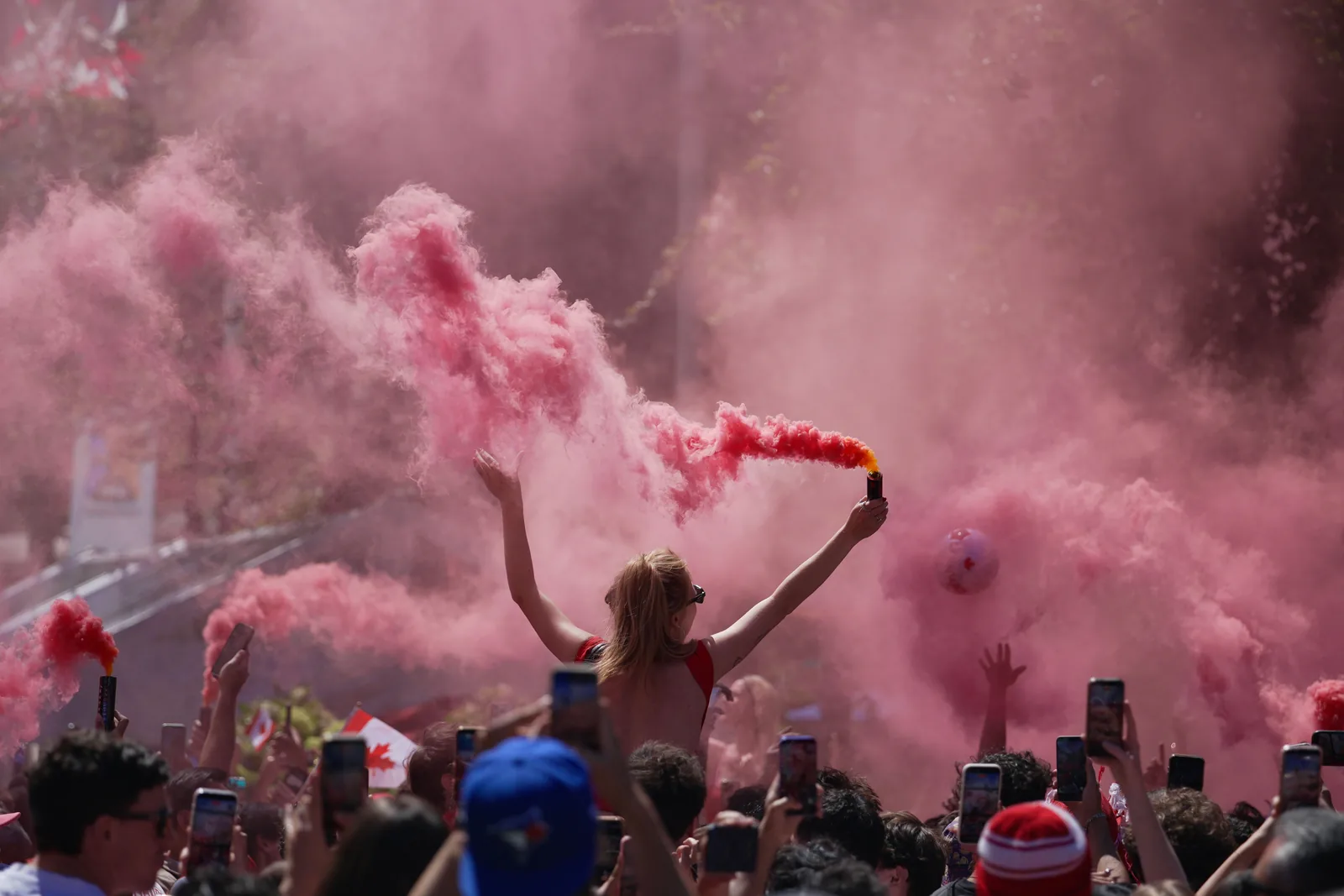

Following Vancouver’s role as a host city for the World Cup, Destination Vancouver CEO Royce Chwin indicated that the city is focused on preventing a post-event downturn, which he termed “the great sigh.” This refers to a potential lull in tourism that can occur after major events, similar to the quiet period observed after the 2010 Olympics.
Vancouver was one of 16 cities across Canada, the United States, and Mexico to host the tournament. Chwin noted that preparations to avoid a slump began years in advance, with conferences and cultural events scheduled to start immediately after the final match at BC Place on July 7.
Economic Impact and Business Experiences
Reflecting on the seven World Cup games hosted in Vancouver, Chwin expressed that the city presented itself well as a fan experience on the global stage. He observed an increase in sales for businesses catering to soccer fans, such as sports bars. However, he acknowledged that other businesses might have faced challenges.
“We’re still trying to assess the impacts, positively and negatively, throughout the entire region, what did successfully and what didn’t do successfully,” Chwin stated. He highlighted the unprecedented nature of this World Cup, spanning three countries, which he suggested influenced hotel occupancy rates. In June, downtown Vancouver hotels recorded a 75 per cent occupancy rate, a decrease from the 91 per cent occupancy during the same period in 2025.
Susanna Ng, who has operated New Town Bakery and Restaurant in Chinatown for nearly five decades, noted a decline in sales in June, a rare occurrence during what is typically the restaurant’s busiest season. Ng, who experienced Expo ‘86 and the 2010 Winter Olympics, mentioned that the first match-day weekend was notably quiet.
Many business owners, including Ng, had prepared for a surge in activity after city officials promoted the World Cup as a significant economic opportunity. However, some reported that the anticipated boost did not materialize. Mayor Ken Sim had previously described hosting the games as a “once-in-a-generation opportunity to generate immediate economic benefits for Vancouver while creating lasting long-term legacies.”
Andrew Zimbalist, an American sports economist, suggested that the economic benefits of hosting mega-events are often overstated. He explained that host cities might attract soccer fans but could simultaneously deter regular visitors who wish to avoid crowds, congestion, or higher prices, a phenomenon known as “crowding out.”
Karri Green, owner of Chambar, a Belgian restaurant near BC Place, invested in preparations like screens and extra glassware, even hosting screenings for Belgium matches. Despite her restaurant’s proximity to the stadium, she reported that the expected influx of customers did not materialize. Green estimated Chambar’s revenues were down by approximately 20 per cent compared to a typical summer period. She also noted that businesses often received late details regarding road closures and traffic restrictions, making it difficult to inform customers.
Malindi Taylor, director of sales for Fanny Bay Oyster Bar & Shellfish Market, also prepared for increased visitor numbers by setting up screens and listing the oyster bar as a watch-party venue. However, Taylor observed that the anticipated surge did not occur. She speculated that locals, having been warned about potential congestion, might have avoided downtown areas. After two quiet weeks, business returned to levels similar to a normal June, but without a significant boost from the World Cup.
A spokesperson for the Vancouver Host Committee clarified that hosting the World Cup was not solely an economic endeavour but also aimed to foster community, celebrate soccer, and strengthen partnerships for future major events. The publicly reported costs for Vancouver’s World Cup involvement are projected to be around $700 million, with safety and security estimated at $242 million, partially offset by $100 million in federal funding. The committee indicated that benefits, such as destination awareness and future business opportunities, are expected to unfold over time.
Moshe Lander, a Canadian economist, noted that the response from officials often shifts from economic justifications to emphasizing civic pride and long-term exposure when immediate returns are less evident. He highlighted that FIFA controls major revenue streams, while local governments bear many of the event’s costs. During negotiations in 2018, BC and Vancouver briefly withdrew from the process due to concerns about the financial terms.
Joël Watanabe, executive chef and owner of Kissa Tanto, Bao Bei Chinese Brasserie, and Meo, reported estimated sales decreases ranging from approximately 10 to 50 per cent across his three businesses. He expressed skepticism about the economic returns for local businesses, particularly in Chinatown, where he felt visitors were directed away from the neighbourhood.
Transportation and Future Outlook
Despite varied business experiences, transit and airport authorities reported increased usage during Vancouver’s hosting period. The Vancouver Airport Authority stated that data on passenger counts, including reasons for travel to YVR, will be available later in the summer. However, early figures from June 8 to July 10 suggest continued strong activity, with approximately 2.8 million passengers travelling through the airport, averaging about 86,000 passengers per day. Peak days saw nearly 92,000 passengers.
This represents an approximate five to 10 per cent increase in passenger volumes compared to the same period last year, which was a record year for YVR. The city’s transit authority also reported a rise in ridership, particularly on match days, with more than 600,000 additional transit boardings across the region. SkyTrain stations near BC Place experienced an average ridership increase of 54 per cent on match days, marking the highest ridership in the area since the 2010 Olympics.
Chwin concluded that the event generated positive comments about the city and its experience. He emphasized the momentum gained from the event, stating, “That’s the momentum now that we need to capitalize on for the years to come.”
Read Also
Source: globalnews.ca

Chloe Tremblay is the Sports Reporter at CasinoNews, covering basketball, tennis and athletics with nine years of reporting experience. She reported on the Raptors' rise and two Olympic cycles. She holds a degree in Journalism from Concordia University. Based in Montreal, she plays recreational basketball and follows track athletics. “The best stories come from the athletes everyone overlooks.”