
Match Highlights and Fan Reactions
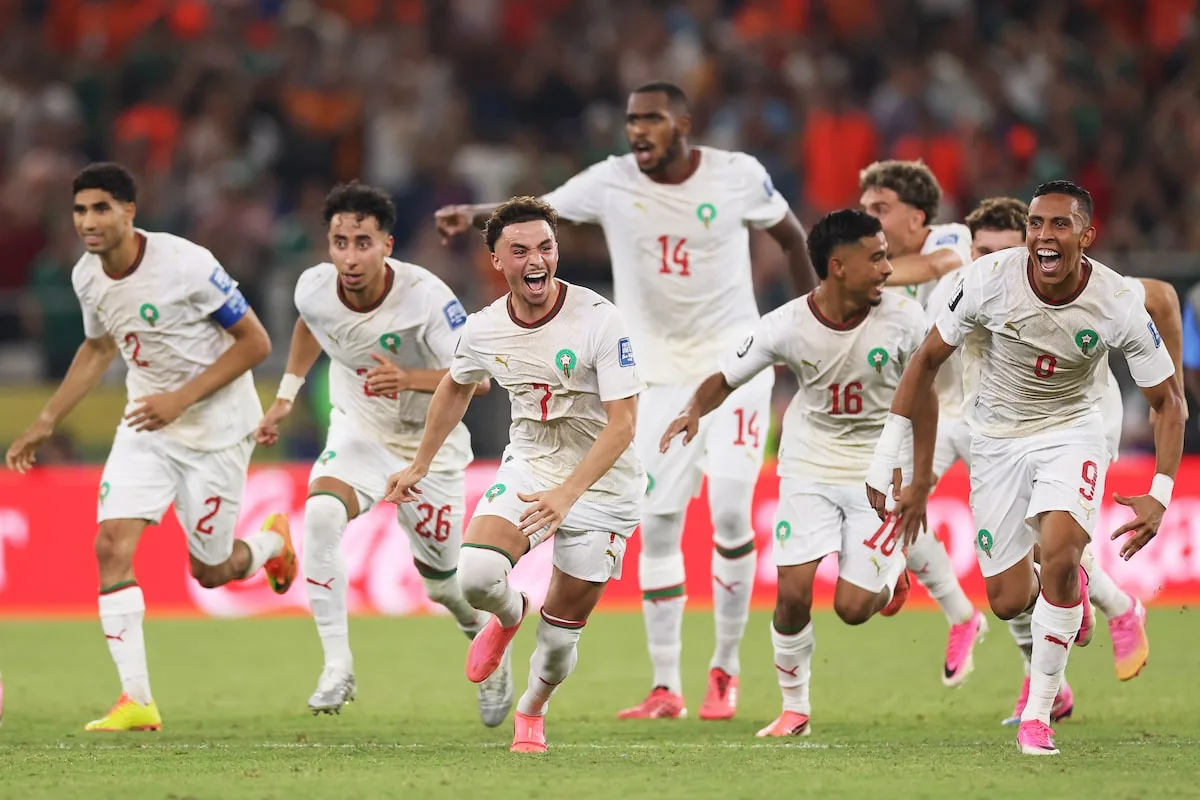
The FIFA World Cup match in Seattle between Egypt and Iran concluded with a 1-1 draw, a result that brought both joy and disappointment to fans. For Egypt, the draw was significant as the country advanced past the group stages of the World Cup for the first time. Supporters celebrated outside the stadium, with one fan, Daniel Salib, expressing immense pride in his country and team, citing their performances against New Zealand and Belgium.
Iran, known as Team Melli, had a late goal disallowed by VAR for offside and missed a penalty in the first half. Despite the draw, Iran remains in contention to qualify as one of the best third-place finishers, pending other match results. Iranian fan Saeed Nassef shared his disappointment with the outcome but held onto hope for Iran‘s progression to the round of 32.
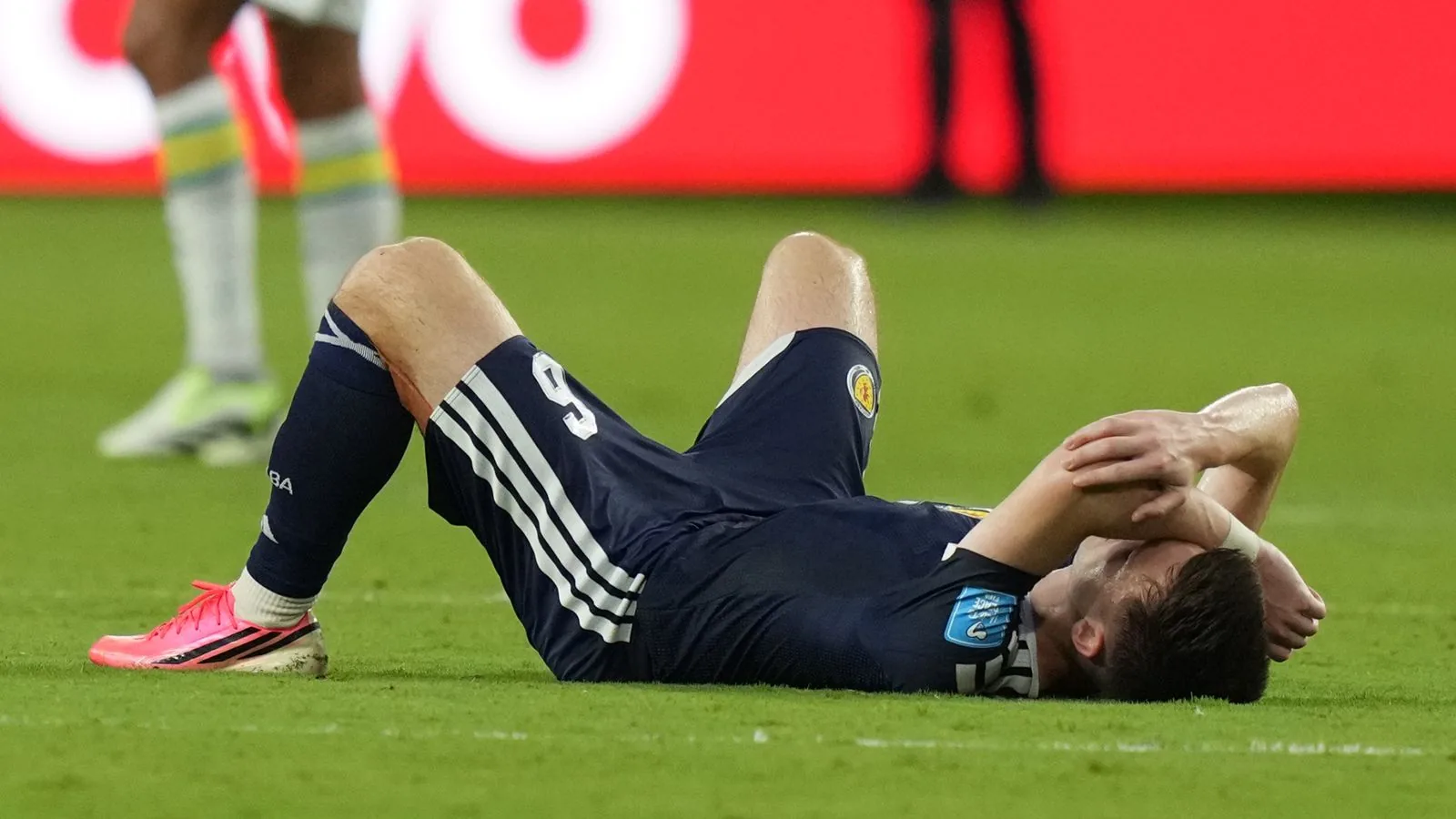
Inside the stadium, the atmosphere was described as electric, with no empty seats and constant engagement from the crowd. Fans from both nations were observed taking pictures together at halftime, and after the final whistle, Egyptian players offered consolation to their visibly upset Iranian counterparts. Chants of “Iran, Iran” and “Misr, Misr” (Arabic for Egypt) alternated throughout the 90 minutes, rather than competing.
Protests and Inclusivity Discussions
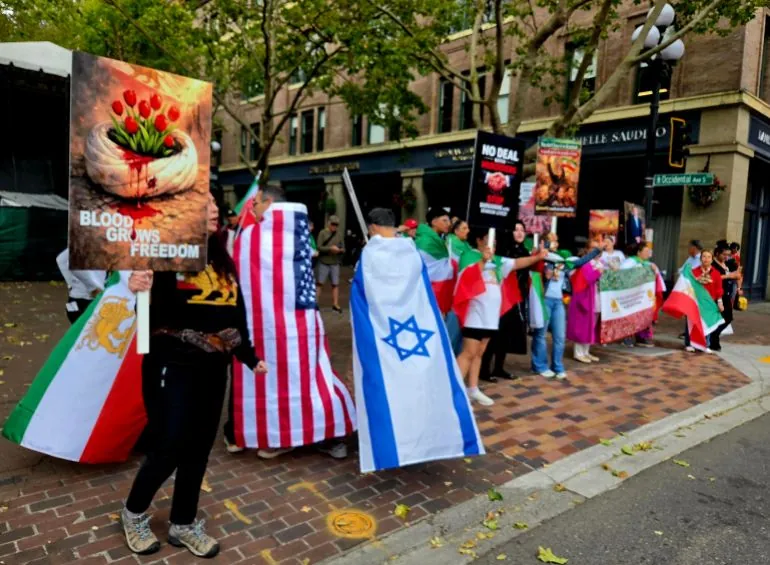
Outside the stadium, the match was accompanied by protests against the Iranian government. Demonstrators waved US and Israeli flags and displayed images of Iranian opposition figure Reza Pahlavi. Some Iranian fans, including Saeed Nassef, reported experiencing harassment from these opposition activists. A confrontation was witnessed between anti-government activists and a supporter carrying an official Iranian flag, with police intervening to separate them. The fan, identified as Milad, emphasized his focus on supporting the players and the country, separate from political issues.
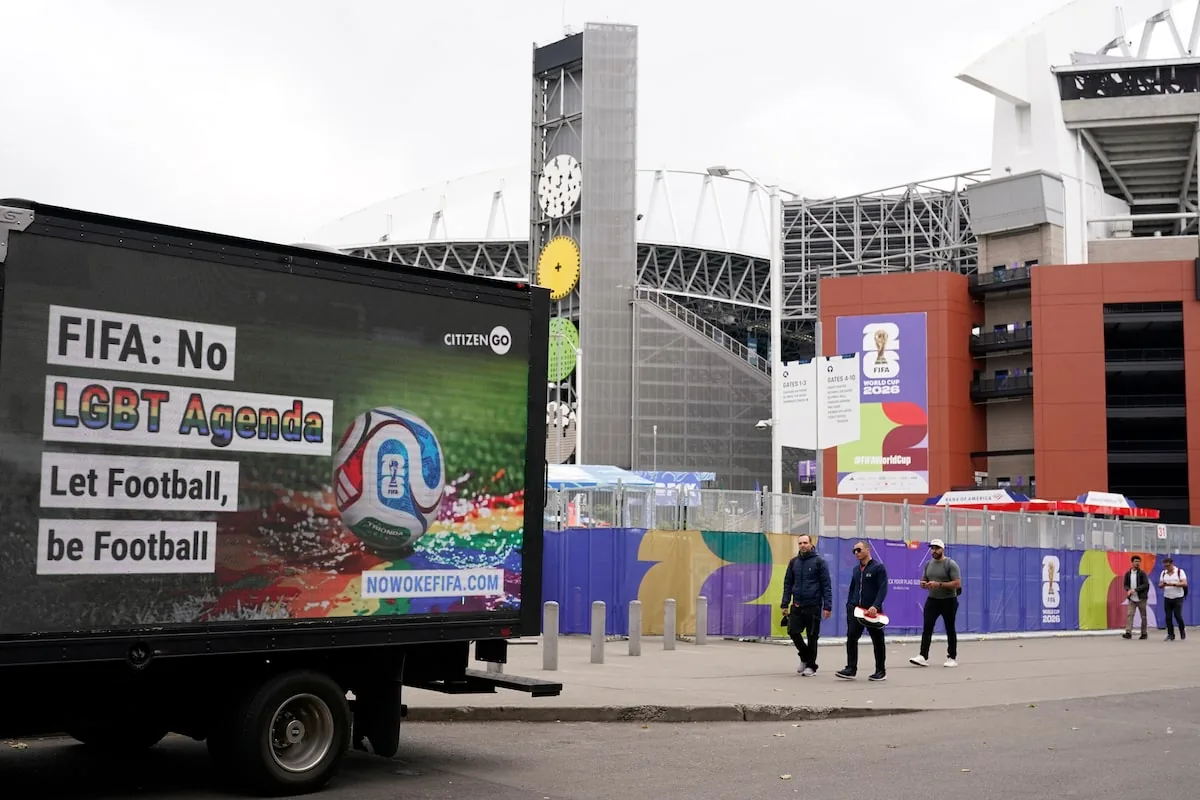
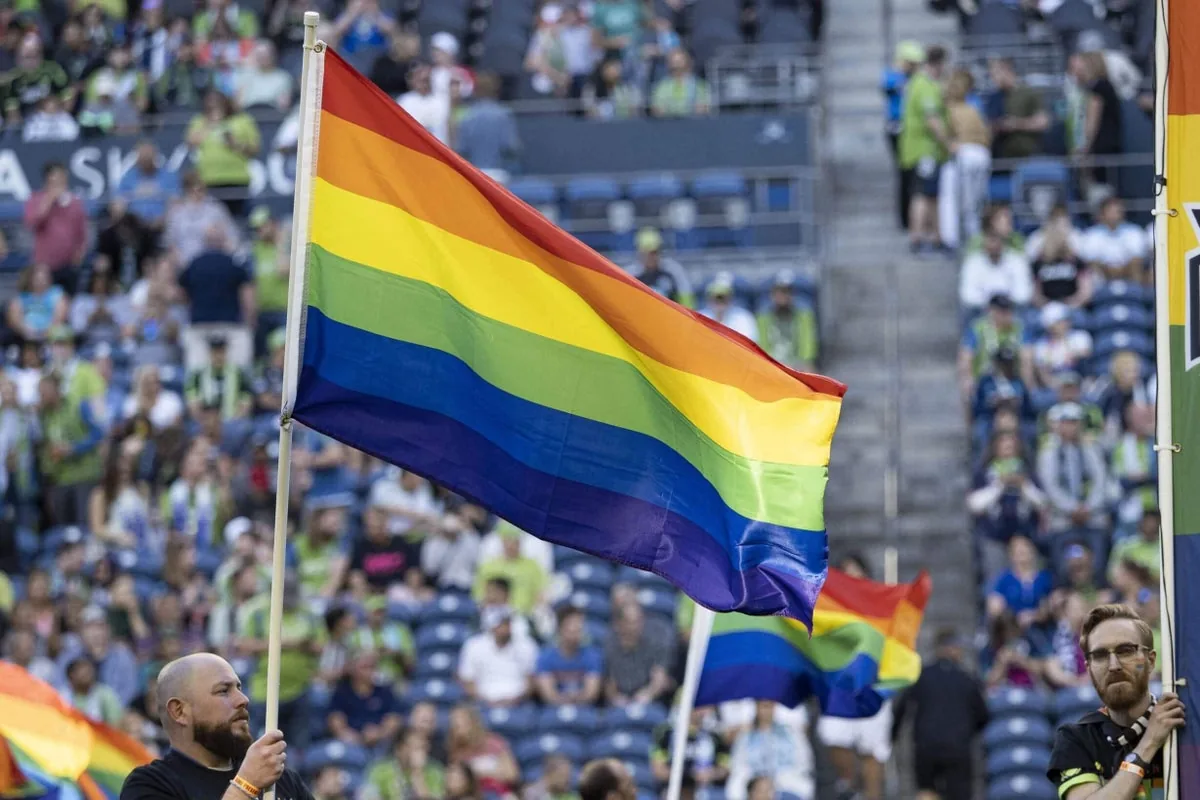
The game was also designated as the World Cup‘s “Pride Match,” leading to discussions and some controversy. The Iran Football Federation had requested FIFA to prevent any activities or symbols supporting the LGBTQ+ community within the stadium. Similarly, the Egyptian Football Association stated its refusal of any activities related to supporting homosexuality, citing cultural, religious, and social values. FIFA, however, confirmed that rainbow flags and other symbols representing sexual orientation and gender identity are permitted under the FIFA World Cup 2026 Stadium Code of Conduct, considering the event an inclusive one.
The Seattle host committee had planned activations for the “Pride Matchday” in advance of the draw. FIFA President Gianni Infantino had previously clarified that while events organized by external organizations would occur in the city, there would be no official “Pride Match” at the World Cup itself. Local organizers in Seattle had maintained their stance on the branding, with a representative from Seattle’s World Cup organizing committee, Hedda McLendon, highlighting the city’s culture of inclusion.
Broader Messages and Historic Moments
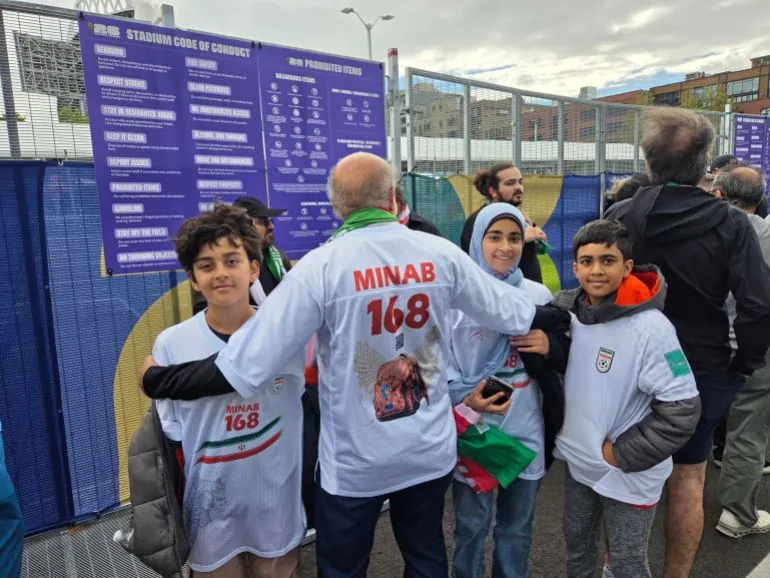
Beyond the match and protests, some fans used the event to convey broader messages. An Iranian fan named Hameed wore a shirt displaying “Minab 168,” a message intended to honour victims of a school bombing in southern Iran. He expressed a desire for a credible investigation into the incident and emphasized the importance of humanity and protecting children globally. Many Palestinian flags were also visible at the match, with some Egyptian and Iranian fans shouting “Free Palestine.” Bilal Ali, an Egyptian fan with a Palestinian flag, stated his desire to keep politics out of football but felt compelled to speak out given ongoing events.
Despite the various discussions and demonstrations, the final whistle marked a historic sporting achievement for Egypt. Fans like Rafael Youssef, with the Egyptian flag colours painted on his cheek, described the feeling of seeing his country achieve this milestone after years of support as surreal. The match ultimately offered a blend of sporting excitement, political expression, and cultural celebration in Seattle.
The Iran Football Federation had communicated its position to FIFA, emphasizing that Iran and Egypt, as Muslim countries, share deep cultural and religious commonalities, and that their views reflect the values and beliefs of their people.
Read Also
- NHL Draft sees Sharks double down on future, Blackhawks without first-round pick
- Utah Mammoth acquire Cossa from Red Wings for first-round pick
- Canadiens continue trade market focus after using 2026 first-round pick
- World Cup: Iran's Knockout Stage Hopes Dangle After Draw With Egypt in Controversial 'Pride Match'
Source: aljazeera.com

Chloe Tremblay is the Sports Reporter at CasinoNews, covering basketball, tennis and athletics with nine years of reporting experience. She reported on the Raptors' rise and two Olympic cycles. She holds a degree in Journalism from Concordia University. Based in Montreal, she plays recreational basketball and follows track athletics. “The best stories come from the athletes everyone overlooks.”