
McKenna’s gesture and jersey number
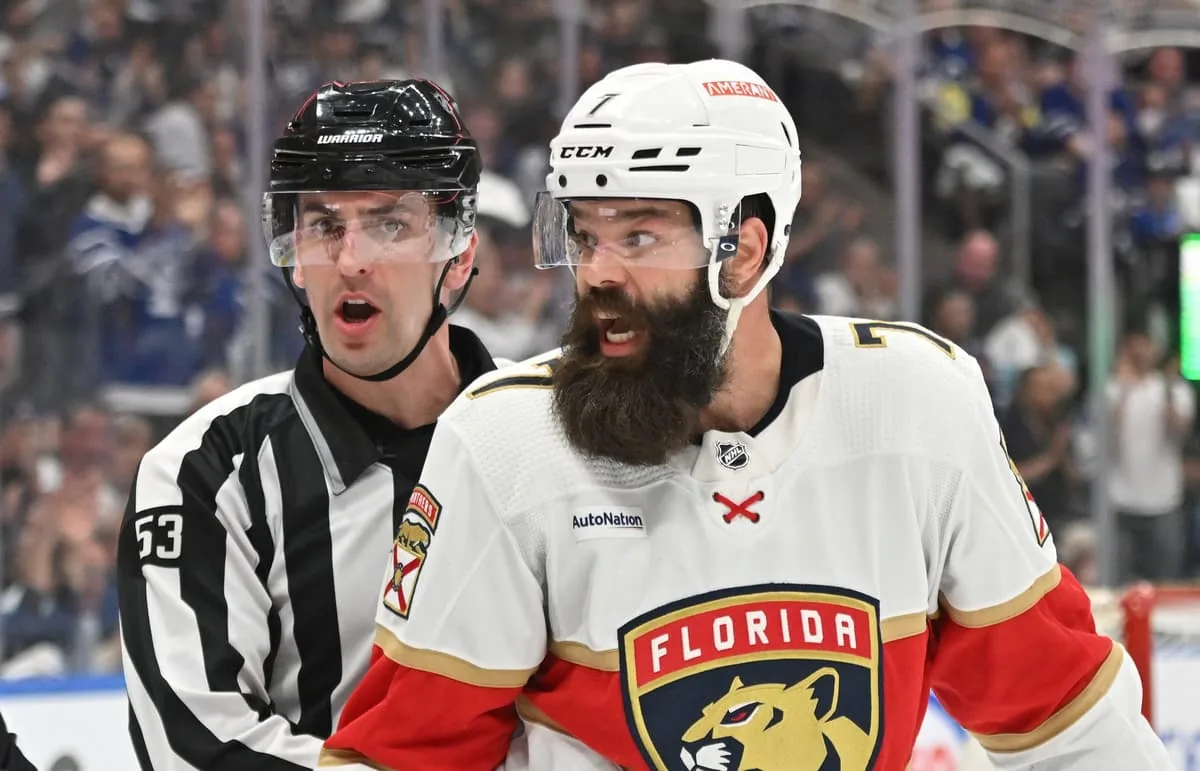
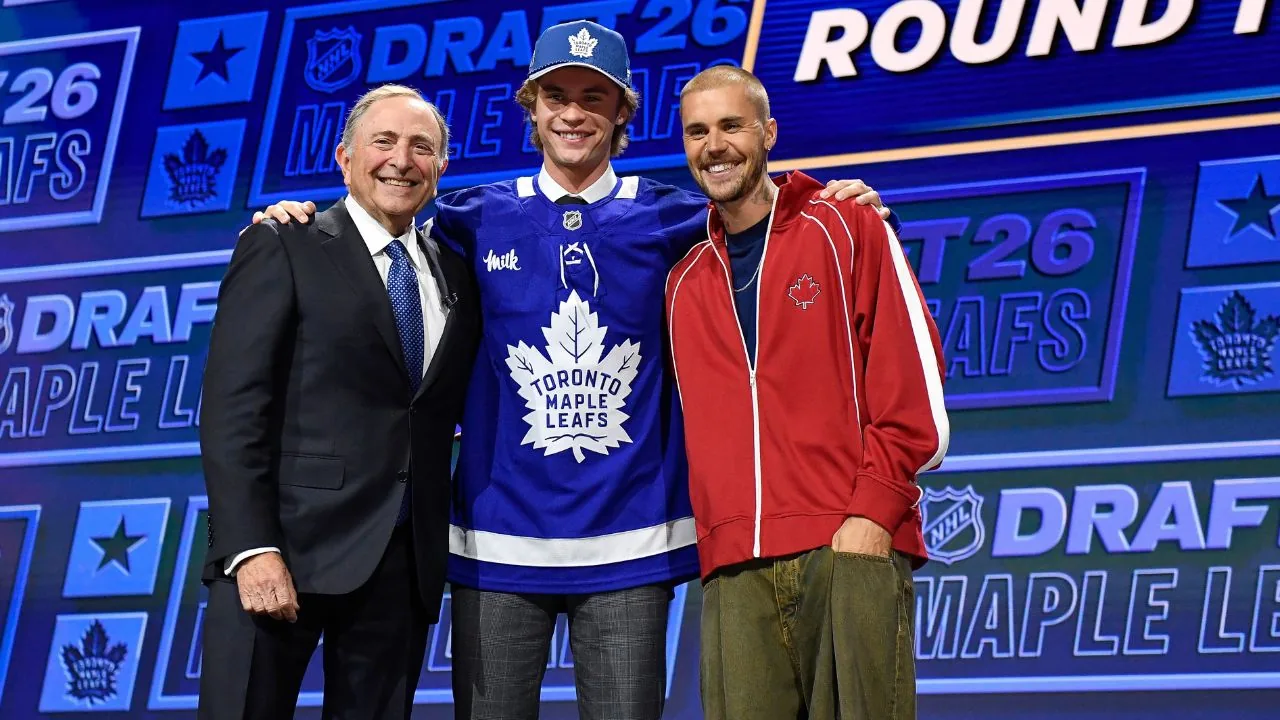
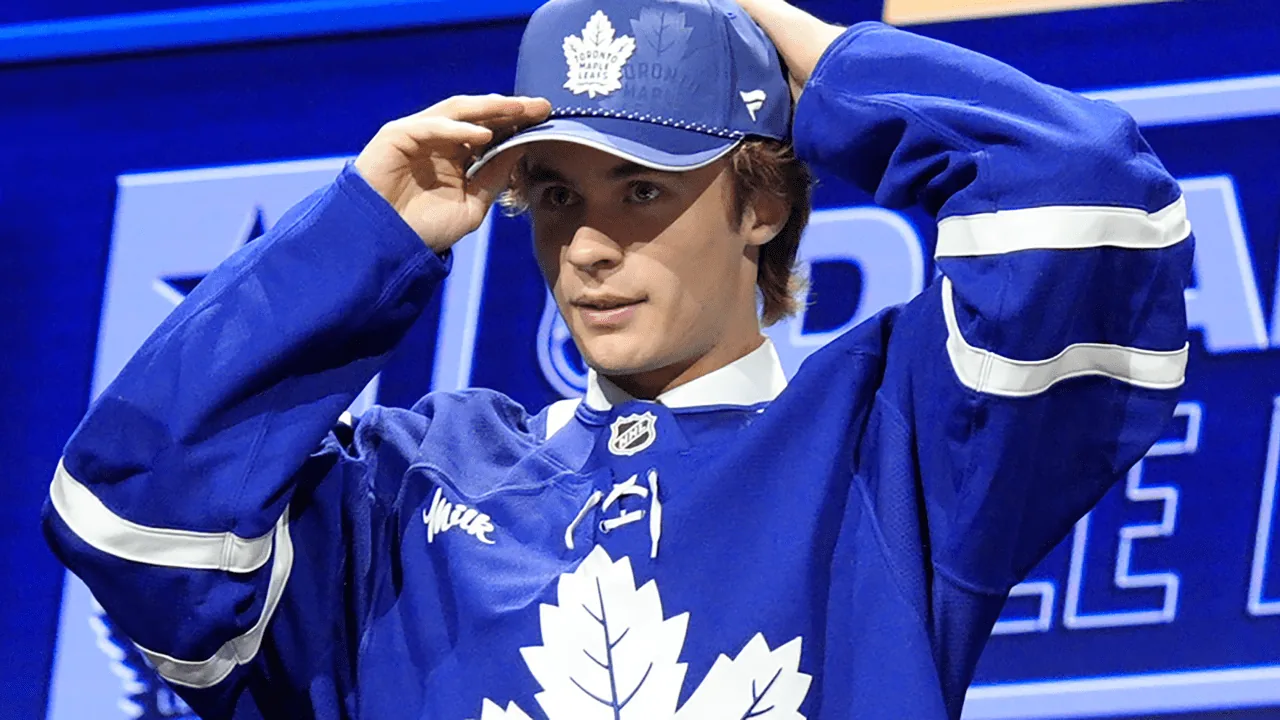
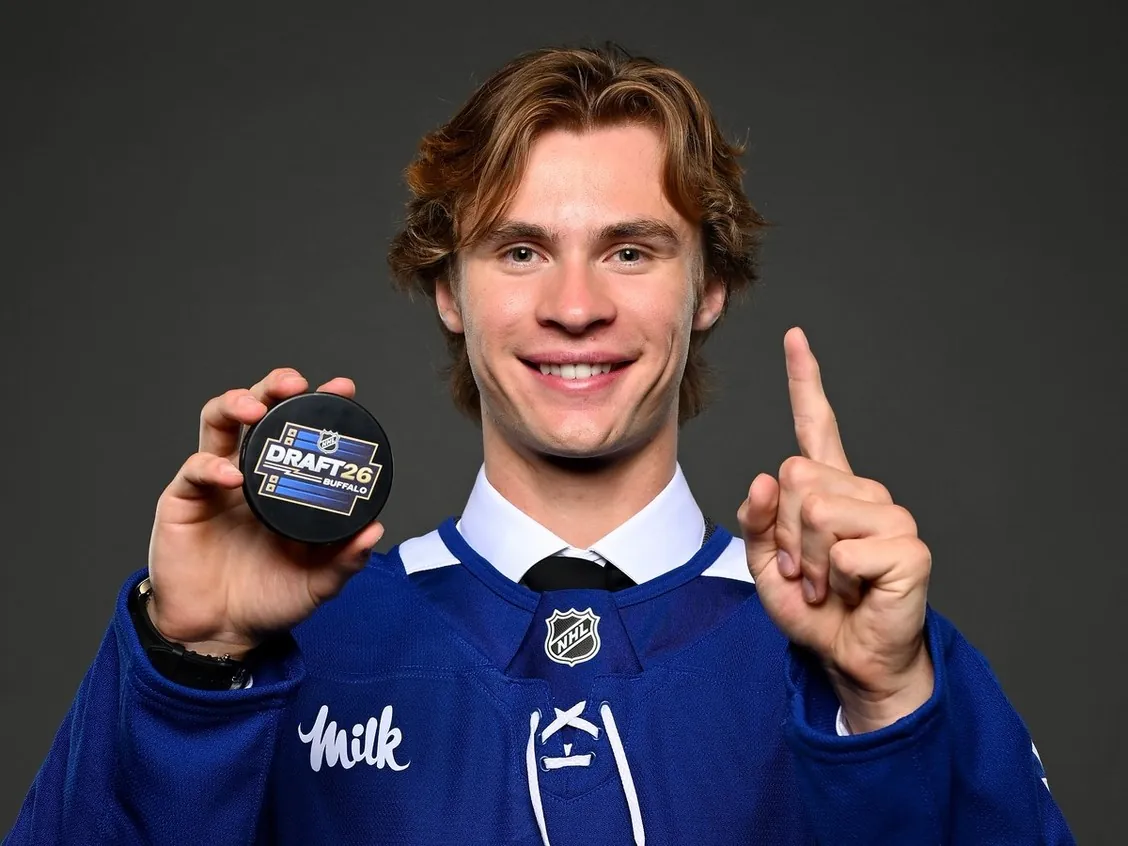
Gavin McKenna, the Toronto Maple Leafs‘ first overall draft pick, has indicated he would be willing to surrender his jersey number 72 if newly signed goaltender Sergei Bobrovsky desires it. McKenna wore number 72 during his time at Penn State and with the WHL‘s Medicine Hat Tigers. Bobrovsky, a two-time Stanley Cup champion and two-time Vezina Trophy winner, previously wore number 72 with the Florida Panthers. The Maple Leafs recently signed Bobrovsky to a three-year contract.
McKenna expressed his respect for Bobrovsky, stating, “He’s a two-time Stanley Cup champion. If he wants it, he can have it.” This statement was made at the Maple Leafs development camp. It remains uncertain which number McKenna will choose for his upcoming rookie season. The numbers 9 and 27, which McKenna used as backup options, are retired by the franchise in honour of Charlie Conacher, Ted Kennedy, Darryl Sittler, and Frank Mahovlich.
Indigenous heritage and community impact
McKenna’s selection as the first overall pick has also brought attention to his Indigenous heritage. He is part of the Tr’ondek Hwech’in First Nation through his grandfather, Joe Mason, who experienced the residential school system. At the NHL Draft in Buffalo, McKenna proudly displayed his wolf clan logo and his sister’s handmade beadwork, which represented ‘Every Child Matters’ and paid tribute to residential school survivors.
Dale McCourt, a former NHL player and first overall pick in 1977, expressed pride in McKenna’s openness about his background. McCourt, who is of Kitigan Zibi heritage, noted that during his own draft, there was little recognition of his Indigenous background. He hopes to meet McKenna, who was the 2024 winner of the Bryan Trottier Indigenous Player of the Year Award for outstanding play and community leadership.
McCourt highlighted the importance of McKenna’s actions in bringing attention to the experiences of Indigenous peoples. He reflected on the historical lack of public acknowledgment for Indigenous players in hockey, mentioning his own connection to players like Henry Boucha and Ted Nolan. Nolan, from the Garden River First Nation, was drafted by Detroit a year after McCourt.
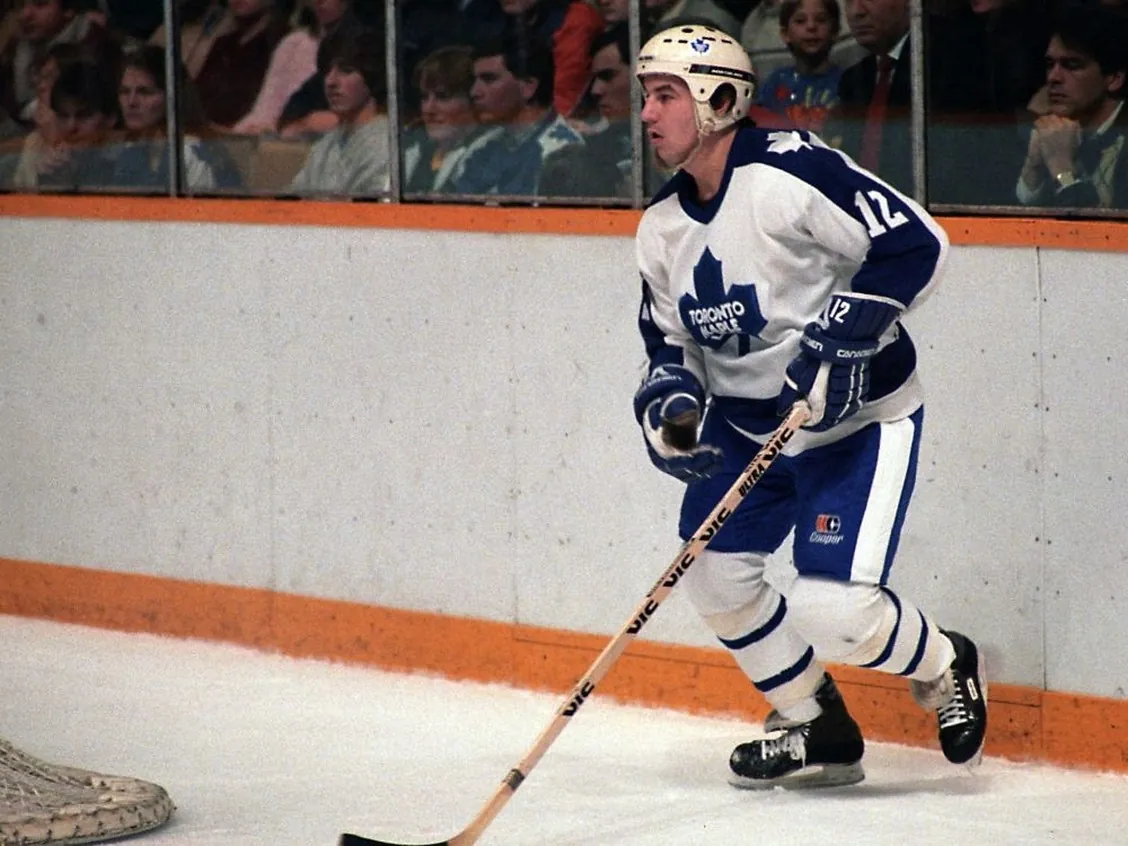
McCourt also spoke about his uncle, George Armstrong, a Maple Leafs captain and four-time Stanley Cup winner, who was also of Indigenous descent. Armstrong’s granddaughter, Kalley Armstrong, an assistant professor at Nipissing University, noted that her grandfather believed he was the only Indigenous NHL player during his time because the topic was not openly discussed. She believes McKenna’s story will be beneficial for young athletes, emphasizing the journey and characteristics learned through team participation.
Future prospects for the Maple Leafs
Following his selection, there has been discussion about McKenna’s potential impact on the Maple Leafs. Hall of Fame executive Jim Devellano suggested that McKenna could become a foundational player for the team. This sentiment draws comparisons to players like Matthew Schaefer for the New York Islanders or Islanders dynasty captain Denis Potvin, who made significant impacts early in their careers.
McCourt offered advice to McKenna, acknowledging that despite his talent, his career path might not be entirely smooth. He noted that being the first overall pick comes with the challenge of 31 other players in the first round who believe they should have been chosen instead. The Maple Leafs signed Sergei Bobrovsky on Wednesday.
Read Also
Source: sportsnet.ca

Ethan Brule is a Senior Hockey Writer at CasinoNews. He covered the NHL for a national Canadian outlet. He focuses on the NHL, the Maple Leafs and Team Canada and is known for clear, deadline-driven reporting. He holds a degree in Sports Media from Toronto Metropolitan University. Now based in Toronto, he plays beer-league hockey and follows the junior ranks. “Hockey in Canada is never only about the score.”