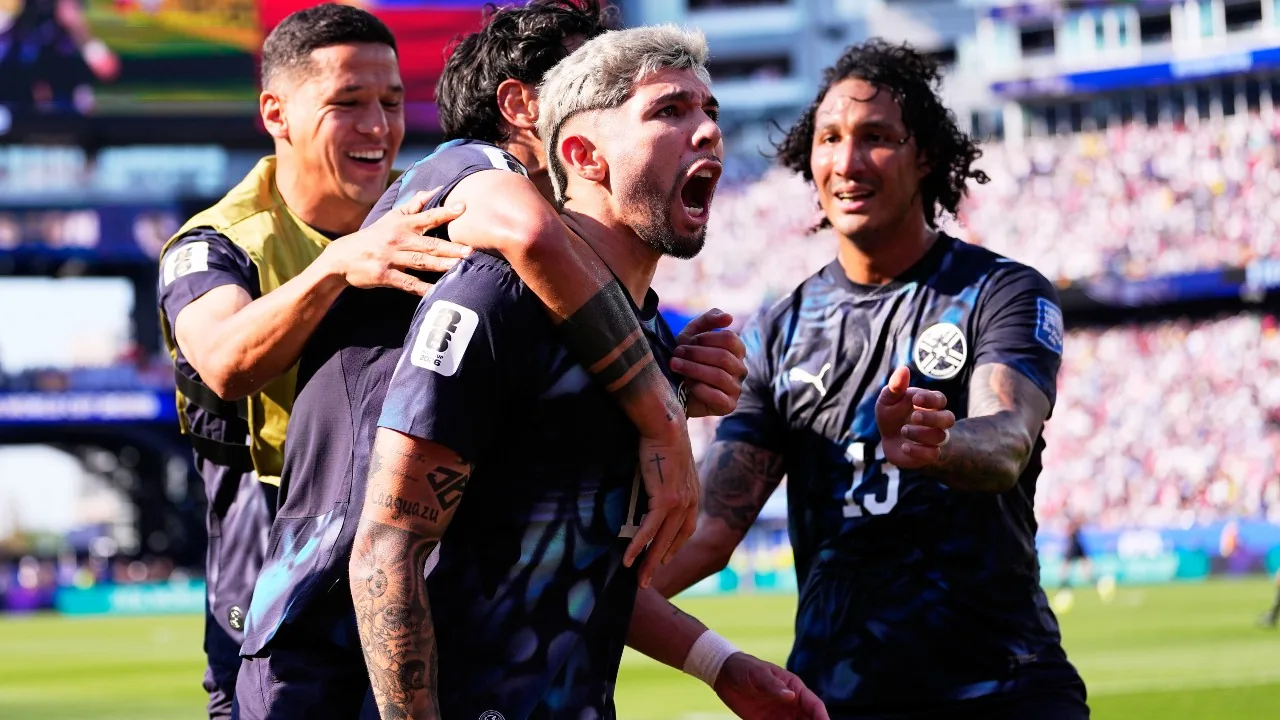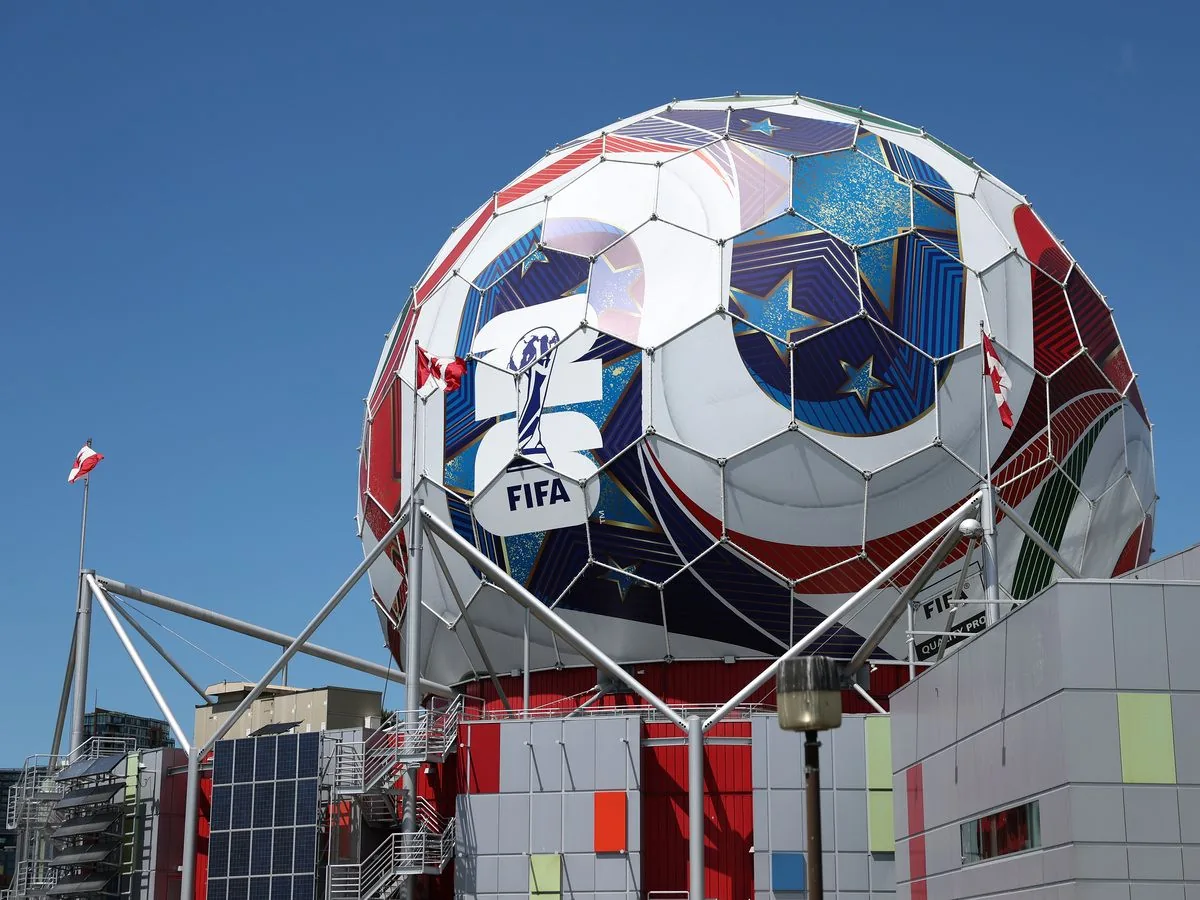

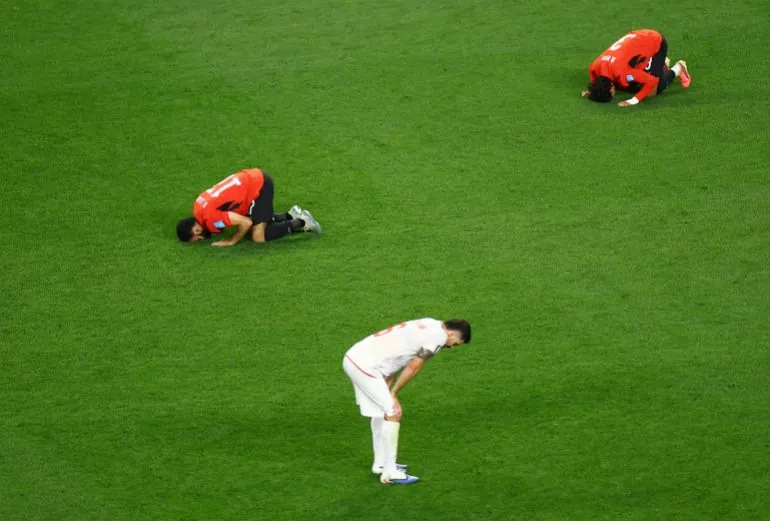
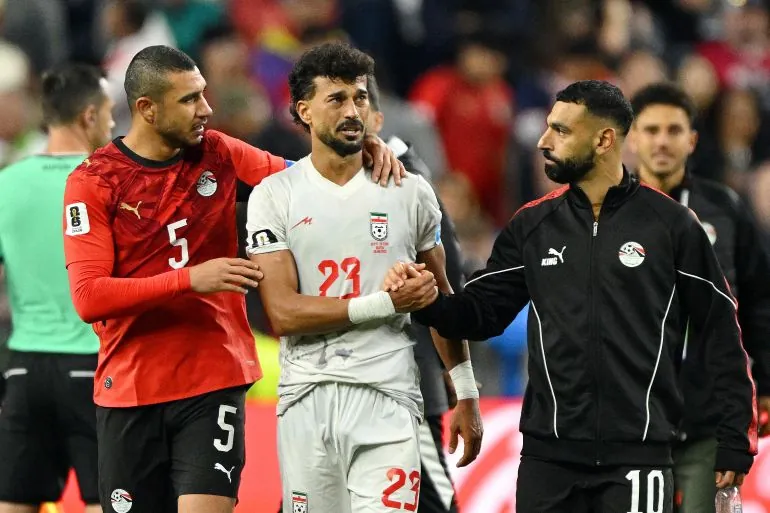
Iran faces an uncertain path to the World Cup knockout stage following a 1-1 draw against Egypt, a match that concluded with a disallowed late goal for Iran. The game, held in Seattle, was designated a “Pride Match” by local organizers, a decision that sparked discussion and differing opinions among fans and officials from both nations.
Egypt, having already secured its qualification for the round of 32, took an early lead within five minutes through Mahmoud Saber. Iran responded swiftly, with Ramin Rezaeian scoring an equalizer in the 14th minute after a rebound, following a saved penalty by Mehdi Taremi.
Late Drama and VAR Intervention
The initial high-tempo play gradually subsided, leading to a more disjointed game until a dramatic conclusion. In the 93rd minute, Shoja Khalilzadeh appeared to score a winning goal for Iran, prompting celebrations from the team bench. However, the goal was subsequently ruled out for offside after a VAR review, denying Iran what seemed to be a decisive victory.
This outcome means Egypt finished second in their group with five points, trailing Belgium on goal difference. Egypt will play Australia in the knockout phase. Iran, currently in third place with three points, must now await confirmation to see if they will advance as one of the eight best third-placed teams.
The match saw significant support from both Egyptian and Iranian fans. Some Iranian spectators displayed pre-revolutionary flags and booed their national anthem, reflecting broader political sentiments.
The “Pride Match” Context
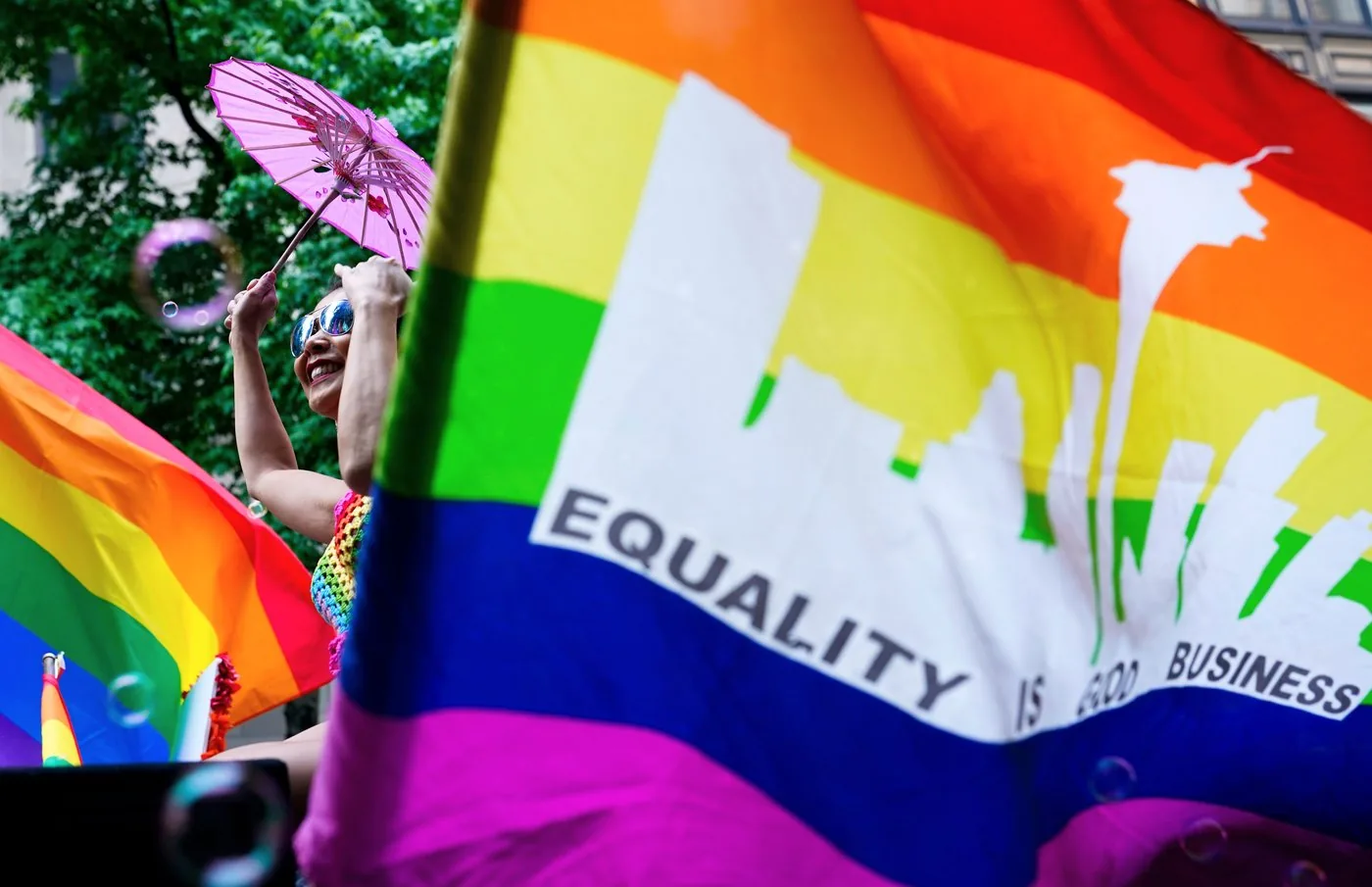
The designation of the game as a “Pride Match” by Seattle organizers, allowing rainbow flags in the stands, generated controversy. Officials in both Iran and Egypt had expressed disapproval, with some calling for the cancellation of the match due to its association with gay rights. Iran’s head coach, Amir Ghalenoei, stated the team was there “to play football. For nothing else,” a sentiment echoed by Egypt’s coach, Hossam Hassan.
Despite official objections, the game proceeded, creating a platform for discussion. For some Iranian-born individuals living in the U.S., the visibility offered by the Pride Match was seen as a valuable opportunity to raise awareness about gay rights in Iran. One chemical engineer, identified as Sam, expressed that the event had already achieved something notable by provoking discussion on the topic.
Conversely, some fans, like Cairo banker Moustafa Wahba, conveyed disinterest in the political aspects, stating, “We don’t care about what’s happening here in Seattle. We don’t care about what’s happening in the world. We need to win.” Another Egyptian student, David Mikhael, lamented the focus on divisive issues when the primary purpose was to enjoy the soccer game.
The staging of the Pride Match in Seattle was the result of years of effort by the city to promote its inclusive culture as a host city. The local organizing committee, through senior vice-president Hedda McLendon, expressed satisfaction that their efforts to celebrate inclusivity were recognized. The city also developed an app to help visitors identify LGBTQ businesses, aiming to leverage the event for economic benefit and to elevate the LGBT community in Washington.
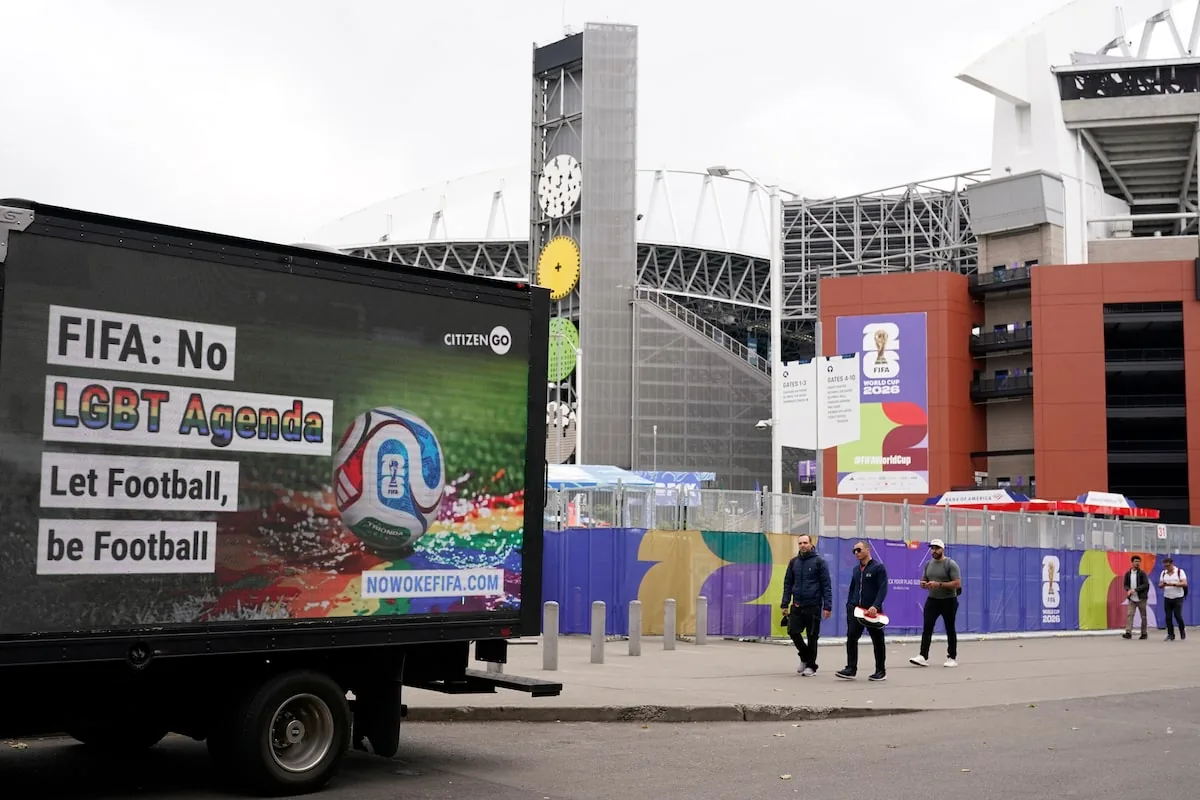
The match highlighted the complexities of blending sports with social and political issues. Outside the stadium, a mobile billboard urged to “Kick LGBT Ideology Out of the FIFA World Cup,” while demonstrators chanted against the Iranian government. Inside, some fans were prevented from bringing pre-revolution Iranian flags, with only the official flag of the Islamic Republic of Iran being permitted, contrasting with the allowance of Pride flags due to Seattle city law.
This situation placed Iranian soccer and its diaspora in a challenging position, as noted by Iranian-American Bookda Gheisar. She expressed concern for Iran’s players, who, despite their hard work, found themselves amidst various controversies. The game concluded with Iran’s fate in the tournament now dependent on other results.
Read Also
Source: aljazeera.com

As CasinoNews's Sports News Writer, Mason Leclair reports on the CFL, golf and combat sports for readers across the country. He moved from regional papers into digital sport. He holds a degree in Journalism from Carleton University. Mason lives in Ottawa, where he follows the PGA Tour and mixed martial arts. “Get the facts down first, then add the context.”