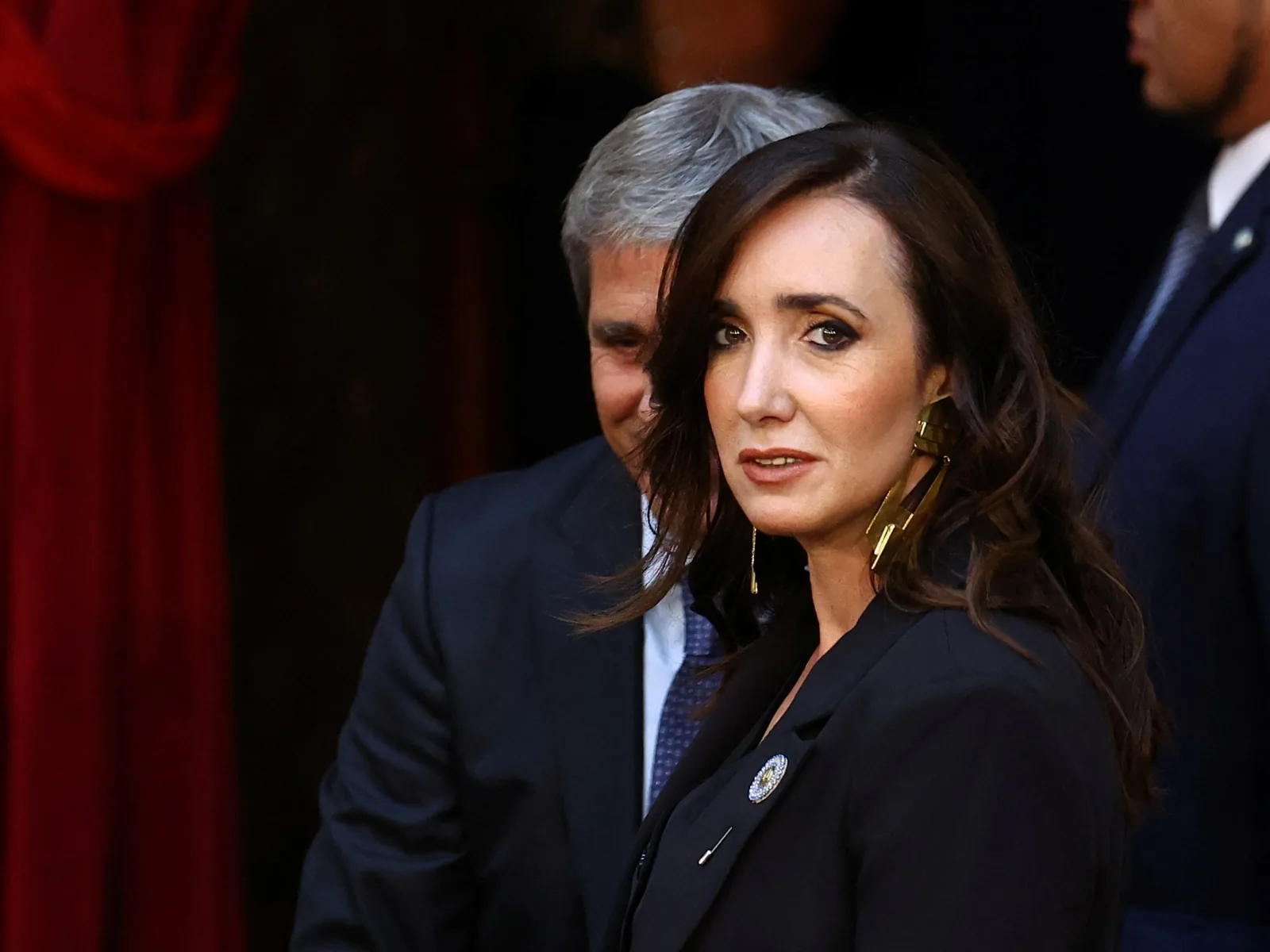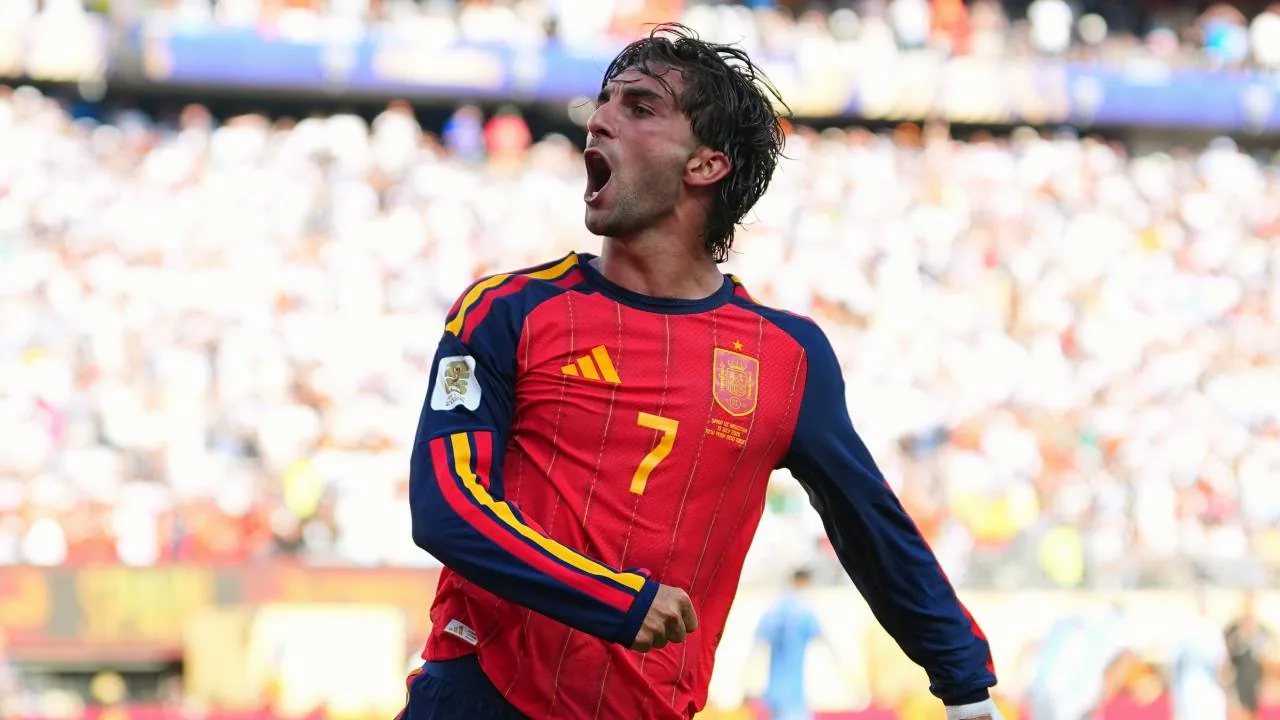

Toronto Mayor Olivia Chow has described the FIFA World Cup in Toronto as an “unquestionable success,” despite city officials indicating that a full financial assessment of the tournament will likely take several months. The mayor’s comments were made during a news conference at city hall on Monday morning, shortly after the World Cup concluded with Spain‘s victory over Argentina in New Jersey.
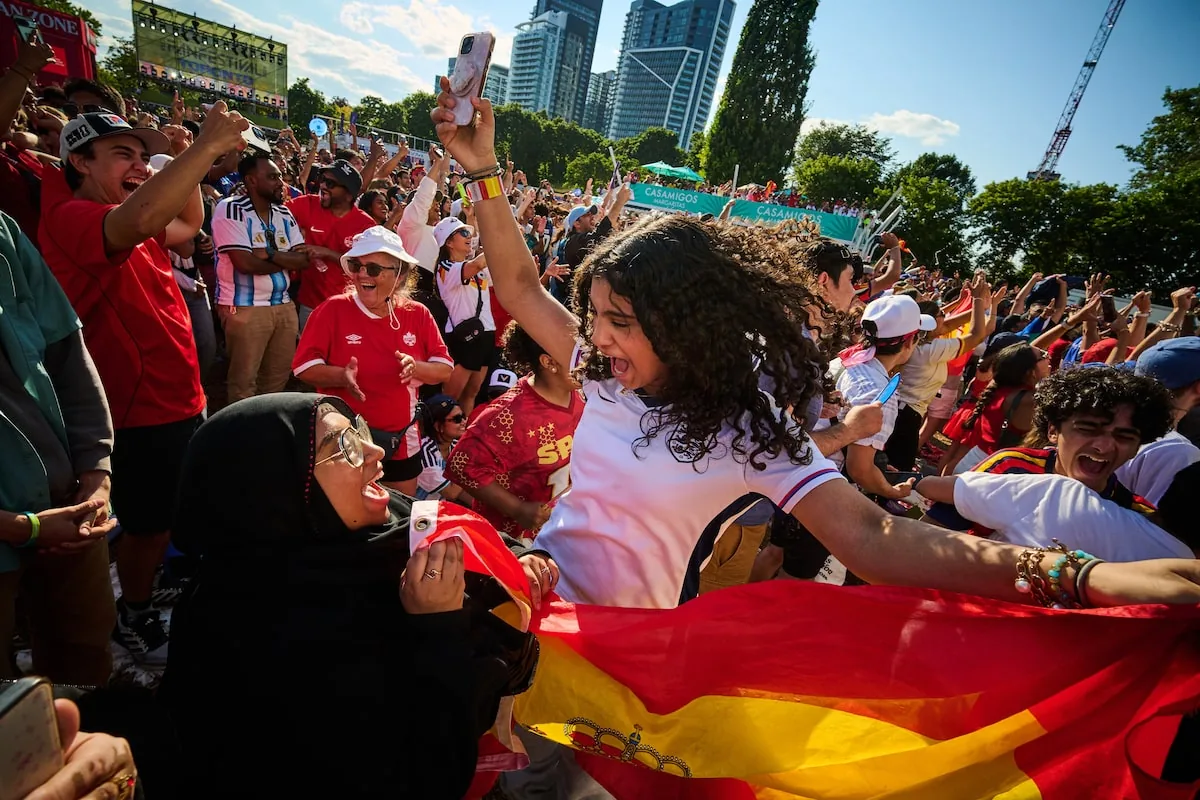
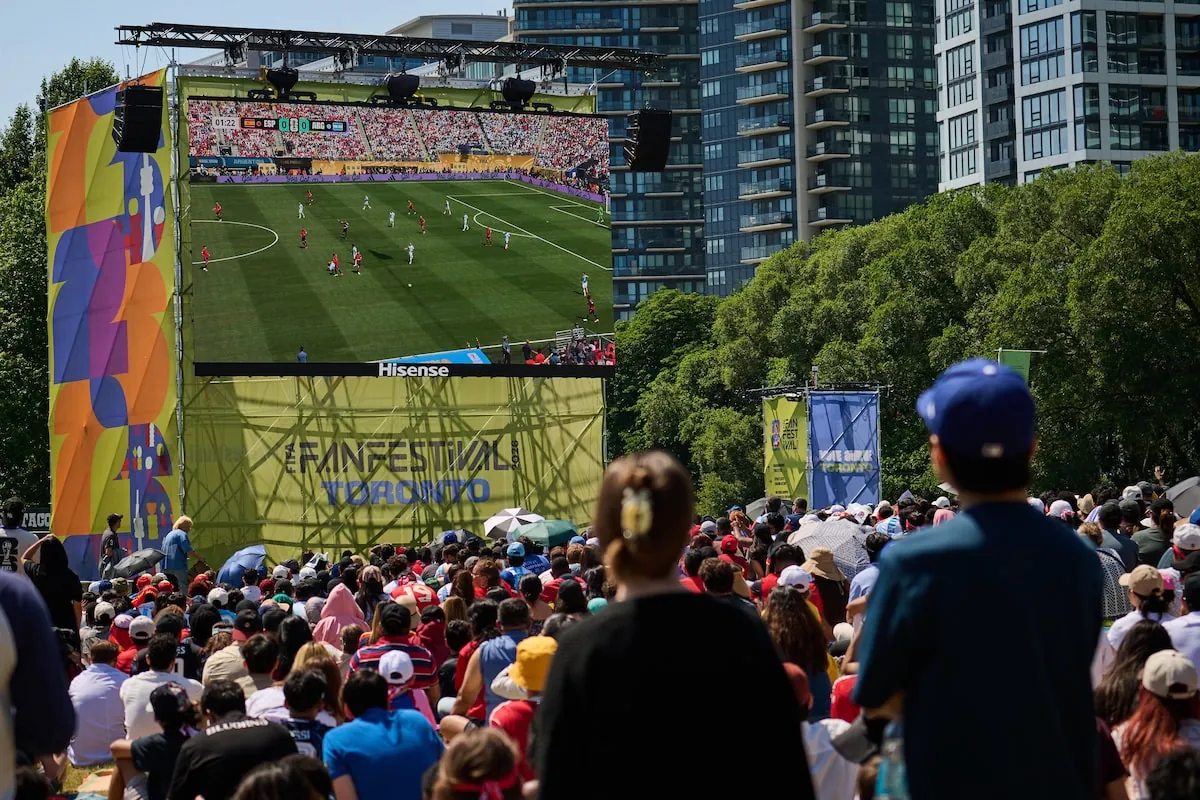
Toronto served as a host city for six matches during the tournament. Mayor Chow noted that approximately 250,000 people attended games at Toronto Stadium, with an additional 350,000 individuals experiencing matches at the FIFA Fan Fest at Fort York. Furthermore, around 60,000 people participated in separate watch parties held at Nathan Phillips Square.
Community Impact and Financial Outlook
Mayor Chow emphasized the unique experience the event brought to the city, stating, “This was a once in a lifetime, a once in a generation for our city and we saw Toronto come alive in a way that was truly special.” The sentiment of community and shared experience was echoed by attendees at the FIFA Fan Fest in Toronto, a large outdoor venue with three screens adjacent to the stadium. Many described the event as a reason for people to gather and connect, with some noting a sense of emptiness now that it has concluded.

The city’s budget for hosting the World Cup was set at $380 million, with Toronto’s portion of $178.7 million anticipated to be largely covered by a levy on hotel accommodations, sponsorships, and other revenue streams. Mayor Chow expressed her belief that no taxpayer money would be used for hosting the event, stating that the city ultimately “kept to that promise.”
However, City Manager Paul Johnson cautioned that it is premature to confirm whether the event remained within its budget. While he does not foresee the additional expenses incurred during the 39-day tournament leading to significant cost overruns, he indicated that a comprehensive understanding of the financial outcomes could take an extended period. This process will also involve determining if the projected $1 billion in economic impact from hosting the World Cup was realized.
Johnson acknowledged that some sectors performed well, while others might have anticipated a greater economic impact than what was experienced. He mentioned that city officials, along with FIFA and other stakeholders, will review the numbers to compile a complete financial account of Toronto’s hosting experience.
Reflecting on the Tournament’s Conclusion
The World Cup final saw Spain secure their second title with a 1-0 extra-time victory over Argentina. This result brought disappointment for Argentina supporters, as it marked the final FIFA match for Lionel Messi. In Vancouver, the FIFA Fan Festival also bid farewell, having hosted live broadcasts throughout the tournament.
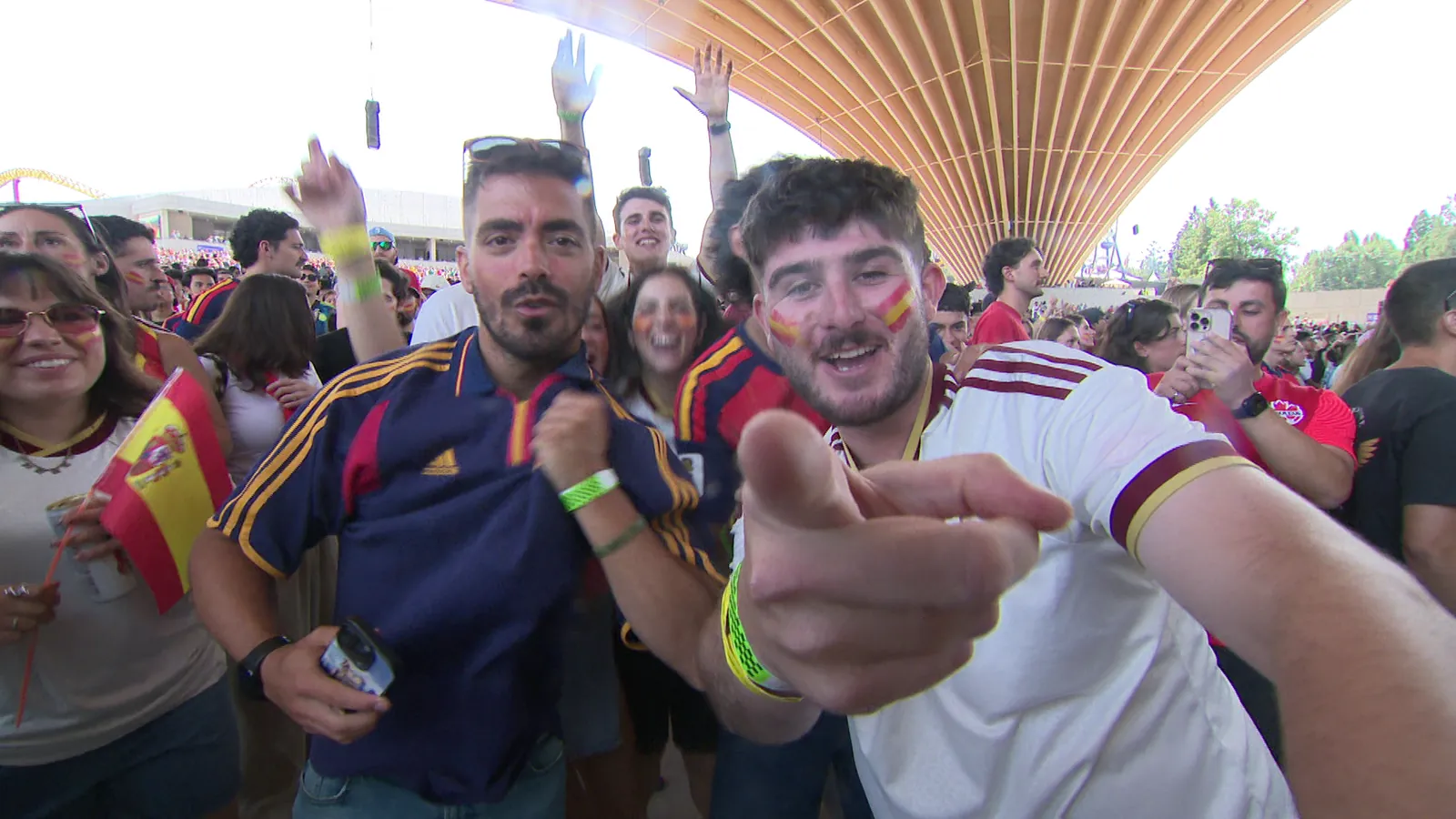
Mayor Chow had previously stated in 2024 that she inherited the financial obligations of hosting the World Cup from the previous administration. When asked on Monday if the tournament was ultimately worth its cost, she did not directly answer, instead focusing on the forward-looking impact: “One thing I have learned is to look forward not backward and looking forward is the children, the ordinary Torontonians that have discovered the game and a hero or heroes and being able to dream and that is priceless.”
Read Also
- Royal Birkdale sees Ryan Fox win Open Championship
- Royal Birkdale crowns Ryan Fox British Open champion after dramatic finish
- Italian Football Federation holds talks with Pep Guardiola for national team coaching role
- New Jersey World Cup final marred by post-match altercations between Spain and Argentina
Source: cp24.com

Ethan Brule is a Senior Hockey Writer at CasinoNews. He covered the NHL for a national Canadian outlet. He focuses on the NHL, the Maple Leafs and Team Canada and is known for clear, deadline-driven reporting. He holds a degree in Sports Media from Toronto Metropolitan University. Now based in Toronto, he plays beer-league hockey and follows the junior ranks. “Hockey in Canada is never only about the score.”