
Deschamps’ evolving tactics
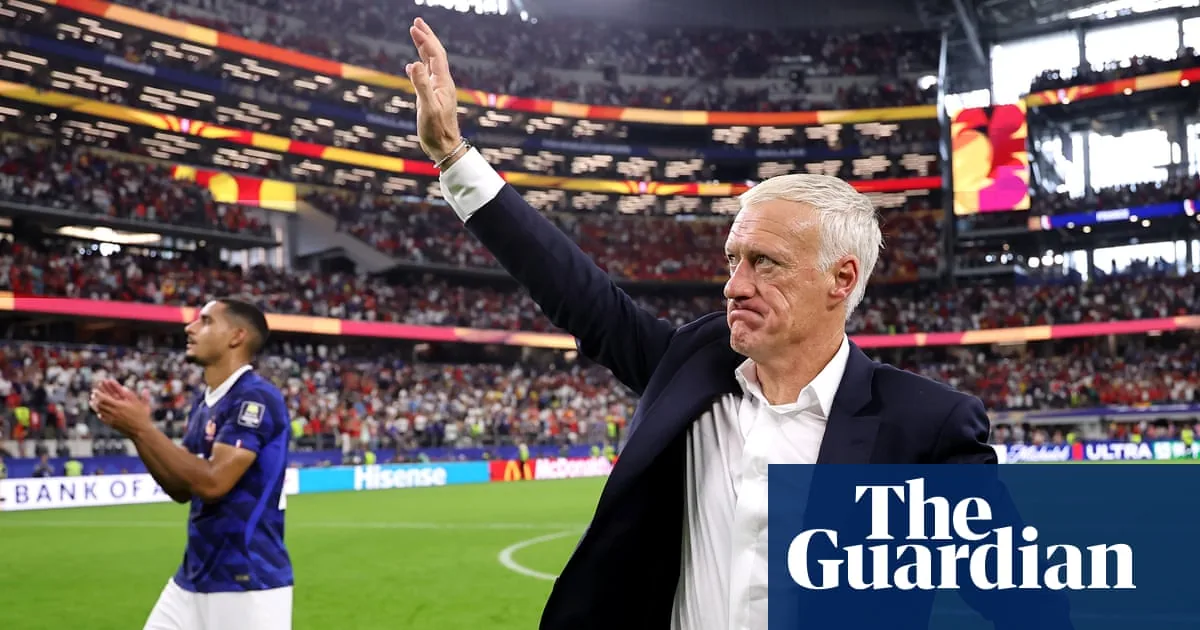
Didier Deschamps, in his final tournament as France national manager, adopted a more relaxed tactical approach, departing from the cautious style that characterized much of his 14-year tenure. This shift allowed France to display an attacking flair throughout the tournament, leading to comparisons with earlier, celebrated French teams.
Despite the change, France faced challenges when encountering a top-tier opponent. The team was ultimately overrun in the semi-final, raising questions about the effectiveness of the new strategy against elite competition. Some observers suggest that a more traditional, Deschamps-esque cautious approach might have served the team better in that critical match.
The tactical evolution has been seen by some as a response to the exceptional creative talent available to France. However, Deschamps has historically been reluctant to fully unleash his attackers, a tendency that this tournament’s semi-final performance seemed to underscore.
Semi-final defeat and midfield battle
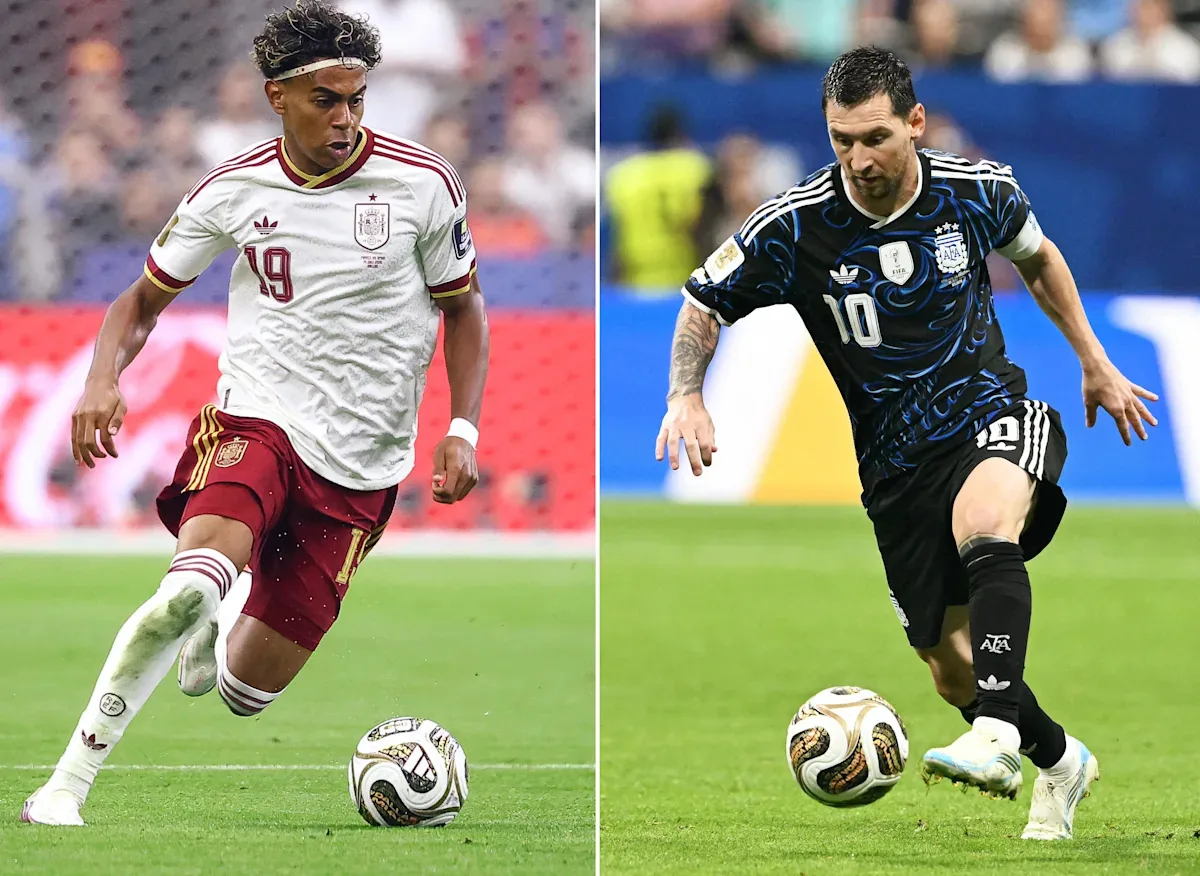
In the semi-final, France encountered difficulties, particularly in midfield and at left-back, areas that coincided with Spain’s primary strengths. The decisive penalty resulted from Lamine Yamal drawing a foul from Lucas Digne, but the underlying issue was Spain’s control of the midfield.
The question arose during the tournament whether Deschamps would adjust his formation from a 4-2-3-1 to a 4-3-3 against stronger opponents by adding an extra midfielder. While France’s creative play was compelling, such a change might have been beneficial in the semi-final. During the first half, midfielders Aurélien Tchouaméni and Adrien Rabiot were reportedly overwhelmed.
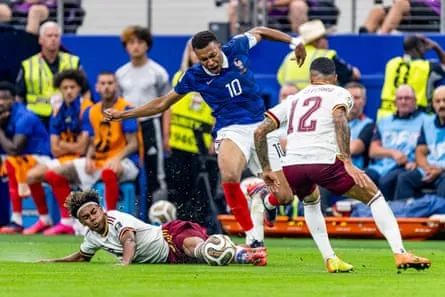
Deschamps’ solution involved withdrawing Rabiot, who had a difficult first half and was at risk of a red card due to a booking. The effectiveness of France’s attacking quartet, including Kylian Mbappé, Michael Olise, Ousmane Dembélé, and Bradley Barcola, was limited as they struggled to receive the ball due to Spain’s midfield dominance. This left France vulnerable to transitions with too many players committed to creative roles.
Deschamps’ legacy and potential record
Deschamps has been at the helm of France’s national team for 14 years, a period during which he secured a World Cup victory, reached another final, and a semi-final. He also guided the team to a Euros final and a semi-final. His record includes 120 wins, 28 losses, and 35 draws across 183 matches.
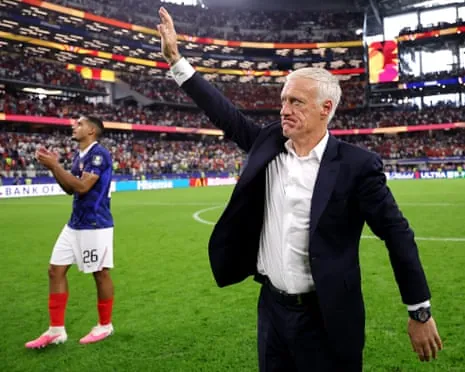
This tenure has seen France consistently feature extraordinary players across generations. While reaching the last four in five major tournaments over 14 years is a significant achievement, some argue that with such talent, a single trophy might be considered merely par. There is a perspective that Deschamps’ cautious approach might have constrained France’s potential over the years.
Deschamps has coached France in four different World Cups and is one of three individuals to have won the World Cup as both a player and a manager, having captained France in their 1998 victory. He has announced that the 2026 World Cup will be his last tournament as manager.
Should France win the 2026 World Cup, Deschamps would join Vittorio Pozzo as the only coaches to win the tournament twice. Pozzo achieved his two victories with Italy in 1934 and 1938. A victory in 2026 would mean Deschamps would have won two non-consecutive World Cups, eight years apart.
Read Also
Source: theguardian.com

As CasinoNews's Sports News Writer, Mason Leclair reports on the CFL, golf and combat sports for readers across the country. He moved from regional papers into digital sport. He holds a degree in Journalism from Carleton University. Mason lives in Ottawa, where he follows the PGA Tour and mixed martial arts. “Get the facts down first, then add the context.”