
Netherlands and Morocco meet in Monterrey
The World Cup 2026 features a significant matchup between the Netherlands and Morocco in the Round of 32. Both teams advanced from their group stages undefeated, with the Netherlands topping Group F with seven points and 10 goals, matching their most prolific World Cup group stage performance. Morocco also secured seven points, finishing behind Brazil on goal difference in their group, which included Scotland and Haiti.
The game is set to take place at Estadio Monterrey, with temperatures projected to reach at least 30 degrees C / 86 degrees F at kickoff. This encounter is seen as a crucial test for both sides, as one team will advance to the next stage while the other will face an early exit from the tournament.
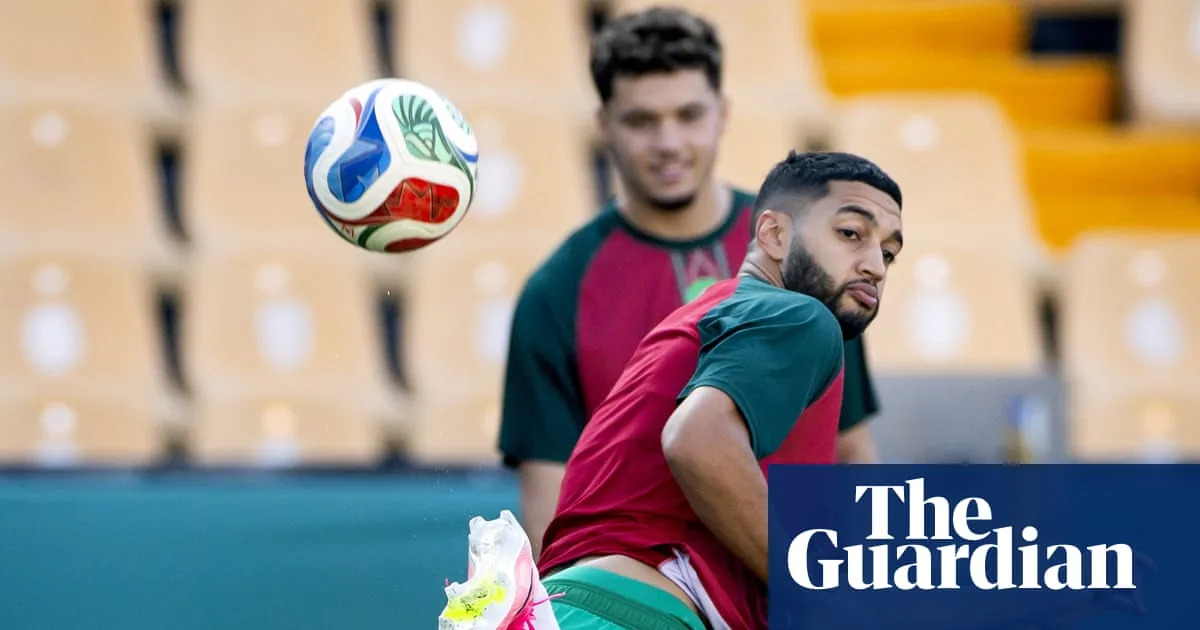
Morocco manager Mohamed Ouahbi emphasized that the players’ primary motivation is to represent their country. He also noted the enthusiastic welcome the team received in Mexico’s north-east, drawing parallels between the local passion for football and the fervour in Morocco. The connection between the nations extends back decades, with Morocco having played in Monterrey during the 1986 World Cup, where they made history by reaching the knockout stage.
The Netherlands‘ attack has been bolstered by striker Brian Brobbey, who scored with his first three shots on target this summer. Cody Gakpo and Crysencio Summerville have also contributed significantly, with both players scoring twice. Netherlands boss Ronald Koeman acknowledged that Morocco‘s aggressive play under Ouahbi might create spaces, but also stressed the need for his team to prevent similar vulnerabilities.
The buildup to the match has been affected by personal news for Cody Gakpo, who recently experienced a family loss. Despite this, Gakpo has chosen to remain with the team, with Koeman commending his resilience and confirming his readiness to play.
Shifting loyalties and identity in football
The match between the Netherlands and Morocco highlights a broader narrative concerning identity, migration, and heritage in international football. Historically, players of Moroccan descent born in the Netherlands often chose to represent the Netherlands. However, this trend has shifted significantly over the past decade.
The change began with players like Dries Boussatta, who was the first Dutch-born player of Moroccan heritage to play for the Netherlands in November 1998. He later made appearances for Morocco, a switch permitted by FIFA’s eligibility rules at the time because his appearances for the Netherlands were in friendly matches.
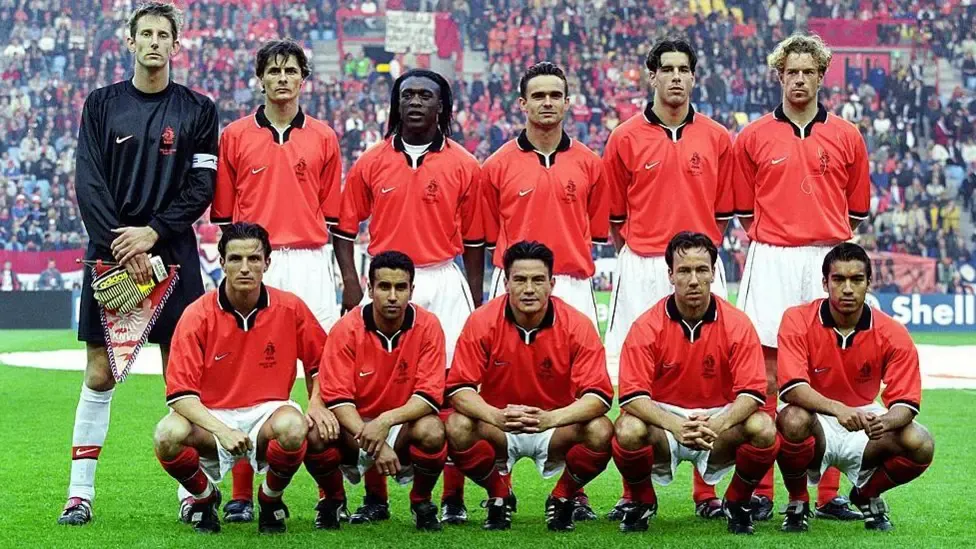
The Royal Moroccan Football Federation initiated a strategy over a decade ago to identify and recruit dual-national talent across Europe, particularly in countries like France, Belgium, Spain, and the Netherlands. This approach involved building relationships with players and their families long before senior international call-ups. Former Morocco technical director Pim Verbeek noted the crucial role families play in a player’s decision.
This policy has reshaped Morocco‘s international squad. By the 2018 World Cup, five members of their squad were born in the Netherlands. Four years later, when Morocco reached the semi-finals, their squad included 14 foreign-born players. In a group-stage draw against Brazil, Morocco made history by fielding an entire starting XI born abroad.
A notable decision symbolizing this shift was that of Hakim Ziyech. Born in Dronten and developed within the Dutch system, Ziyech represented the Netherlands at youth level. After feeling overlooked by the Dutch coaching structure, he chose to commit his international future to Morocco in 2015, stating he had always felt Moroccan and chose with his heart. His decision altered perceptions, as one of the Eredivisie‘s prominent players opted for the Atlas Lions over Oranje.
Other players followed suit, including Noussair Mazraoui, Sofyan Amrabat, and Anass Salah-Eddine, all of whom were raised in Dutch football. Ismael Saibari, though born in Spain, was largely developed within PSV Eindhoven‘s academy before committing to Morocco. Saibari has scored three goals in the tournament and is reportedly set to join Bayern Munich from PSV Eindhoven.
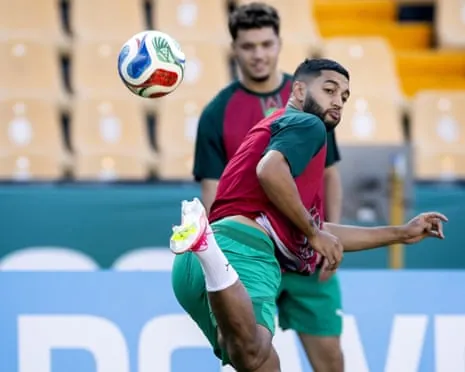
The backdrop to this footballing dynamic is the significant Moroccan migration to the Netherlands, which accelerated through labour agreements in the late 1960s. Today, hundreds of thousands of Dutch citizens have Moroccan heritage, creating generations with ties to both countries. For these dual-national footballers, the decision of which country to represent is often deeply personal, influenced by family, culture, and opportunity.
The upcoming match in Monterrey is not just about a place in the last 16; it represents a chapter in modern football where nationality is complex, heritage is significant, and two countries connected by decades of migration meet on the global stage. Morocco goalkeeper Yassine Bounou described the upcoming match as a “clash of titans.”
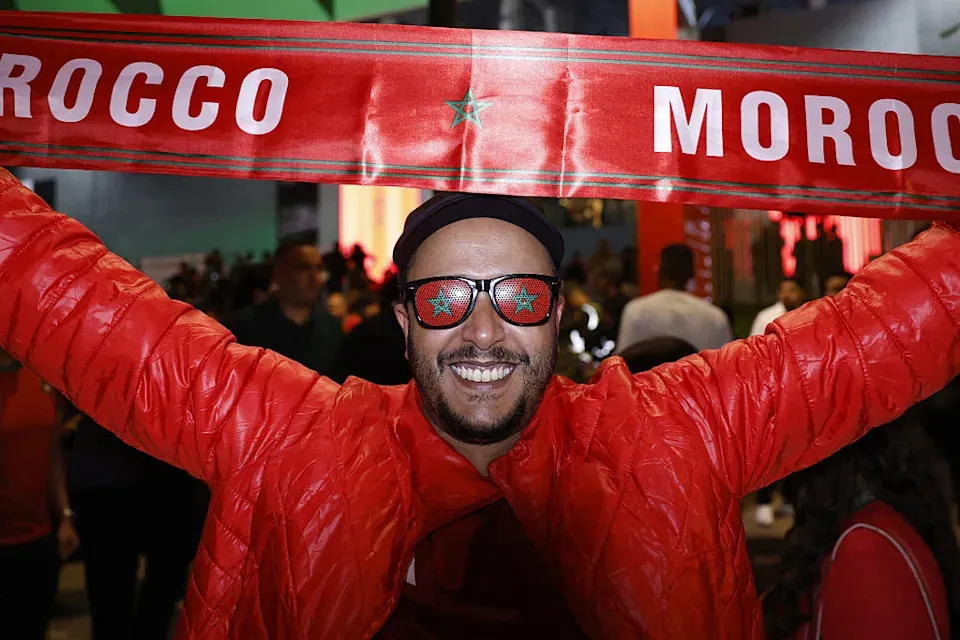
Meanwhile, Morocco fans have created a vibrant atmosphere in Monterrey, with hundreds gathering in the Macroplaza, filling the city centre with chants, flags, and musical instruments ahead of the match.
Read Also
- Osoyoos brothers Liam and Markus Ruck selected by Penguins in NHL Draft
- Algeria and Austria advance to round of 32 after dramatic group stage match
- Cromwell: Scottie Scheffler and Viktor Hovland to play Monday playoff at Travelers Championship
- World Cup 2026 knockout stage features 32 teams, with Canada advancing to round of 16
Source: bbc.com

Ethan Brule is a Senior Hockey Writer at CasinoNews. He covered the NHL for a national Canadian outlet. He focuses on the NHL, the Maple Leafs and Team Canada and is known for clear, deadline-driven reporting. He holds a degree in Sports Media from Toronto Metropolitan University. Now based in Toronto, he plays beer-league hockey and follows the junior ranks. “Hockey in Canada is never only about the score.”