

Foals are a UK rock band that initially emerged as a disordered math-rock ensemble and, after a few years, transformed into a collective that can perform with equal assurance in intimate venues and at massive festivals such as Glastonbury. In this piece, we will discuss the band members and their performances, as well as give a summary of their albums and tracks.
| Country | Great Britain |
| City | Oxford |
| Year formed | 2005 |
| Genres | math rock, post-rock, indie rock, alternative rock |
| Founders | Yannis Philippakis, Jack Bevan, Andrew Mears |
| Members | Yannis Philippakis Jack Bevan Jimmy Smith Walter Gervers |
| Former members | Andrew Mears, Edwin Congreave |
| Most famous songs | ‘Spanish Sahara’, ‘Mountain at My Gates’, ‘My Number’, ‘What Went Down’, ‘Exits’ |
| Albums | Antidotes, Total Life Forever, Holy Fire, What Went Down, Life Is Yours |
| Awards | Mercury Prize nominations, NME Awards, Q Awards |
Who are Foals?
Foals’ music represents a continuous evolution. The band’s initial releases showcased a variety of fragmented rhythms, incisive guitars, and a lively danceable vibe, while their subsequent works brought forth atmospheric melodies, grand choruses, and a rock-inspired majesty. It is important to highlight that the band has consistently avoided being confined to a single musical style. Foals’ tracks are featured in the line-ups of prominent rock festivals.

The band’s journey commenced in 2005 in Oxford. Initially, the project was created by musicians from various local bands, with vocalist and guitarist Yannis Philippakis quickly emerging as the central figure of the group. His performance style—both emotional and aloof—ultimately became Foals’ signature.
Foals’ first album, Antidotes, was launched in 2008 and instantly distinguished the band from the multitude of British indie groups of that era. The album achieved number three on the UK charts and swiftly became a cult classic among alternative music enthusiasts.
However, the true turning point arrived later. The album Total Life Forever provided the band’s sound with a broader and more atmospheric quality, while the track ‘Spanish Sahara’ emerged as one of Foals’ hallmark songs.
Following the releases of Holy Fire and particularly What Went Down, the band evolved into a prominent festival headliner. Their music grew heavier, more intense, and increasingly appealing to a broader audience.
Foals’ live shows warrant special recognition. Even individuals who may not be fans of their studio recordings often concede that the band delivers a vastly different experience on stage—more powerful, intense, and deeply emotional. Foals’ live performances have long been regarded as one of their greatest assets.
Throughout the years, the band’s lineup has experienced changes. In 2018, bassist Walter Gervers departed, and in 2021, keyboardist Edwin Congreave left the group. Nevertheless, Foals have persisted in releasing new music and touring extensively. Presently, they are viewed as one of the leading British rock bands of their generation. The band has successfully avoided significant downturns, controversies, and attempts to conform to trends. Foals continue to produce music that is instantly identifiable from the very first moments.
Members of Foals
Throughout their career, Foals have altered their lineup multiple times, yet the fundamental group has largely stayed the same. This continuity has significantly contributed to the band’s ability to preserve their unique sound – transitioning from the intense math-rock of the Antidotes period to the broader and more melodic records of recent times. Each member of Foals plays a specific part: some contribute to the frenetic energy, while others focus on the mood and rhythm, collectively crafting a sound that is unmistakably their own.
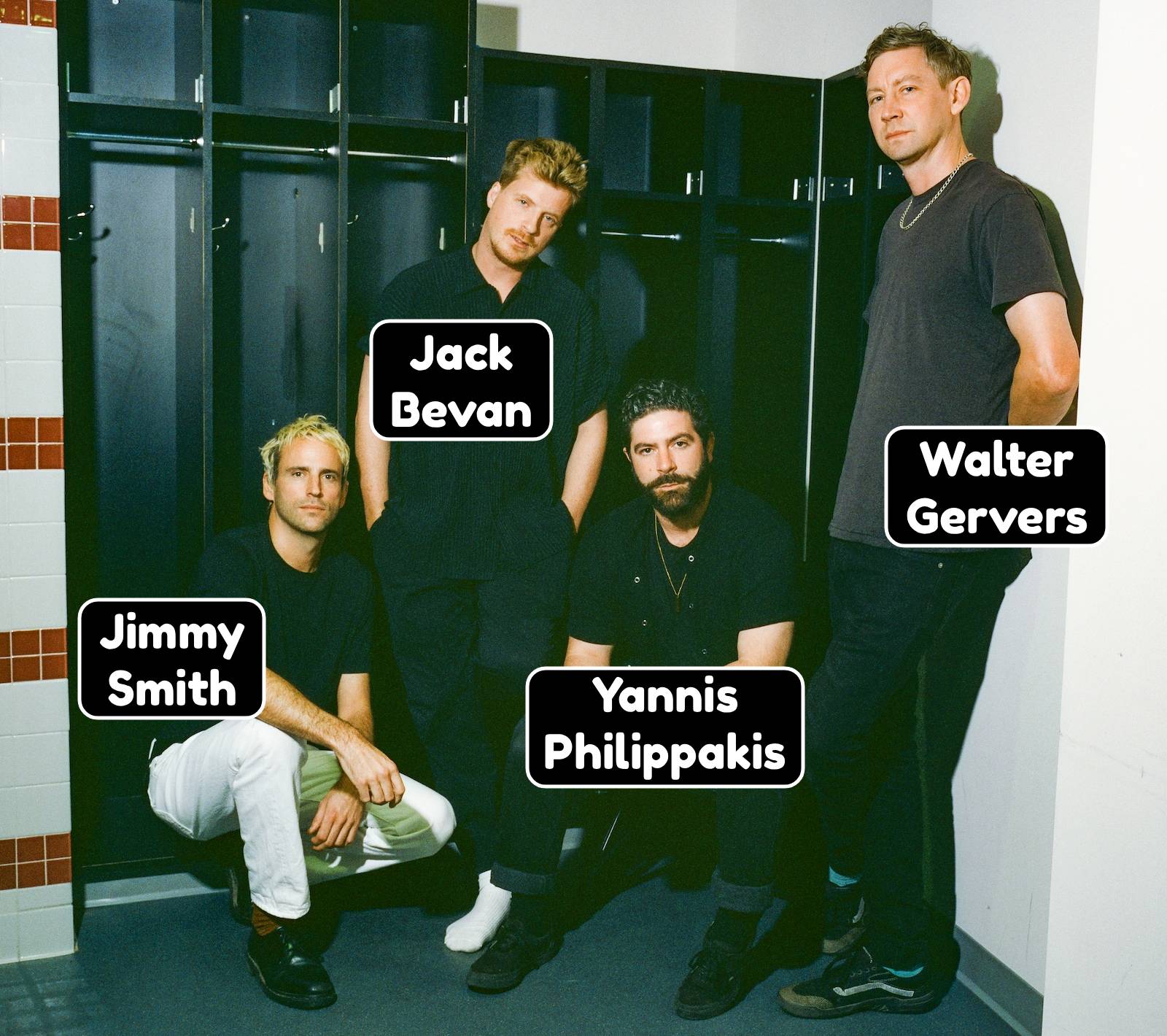
Yannis Philippakis
Yannis Philippakis was born on 3 April 1986 in Greece and subsequently relocated to England. He serves as the lead vocalist, guitarist, and main songwriter for Foals. Prior to the band’s inception, Yannis was a member of the math rock group The Edmund Fitzgerald, where he encountered the future members of Foals. His distinctive guitar technique and passionate singing laid the groundwork for the band’s initial sound.
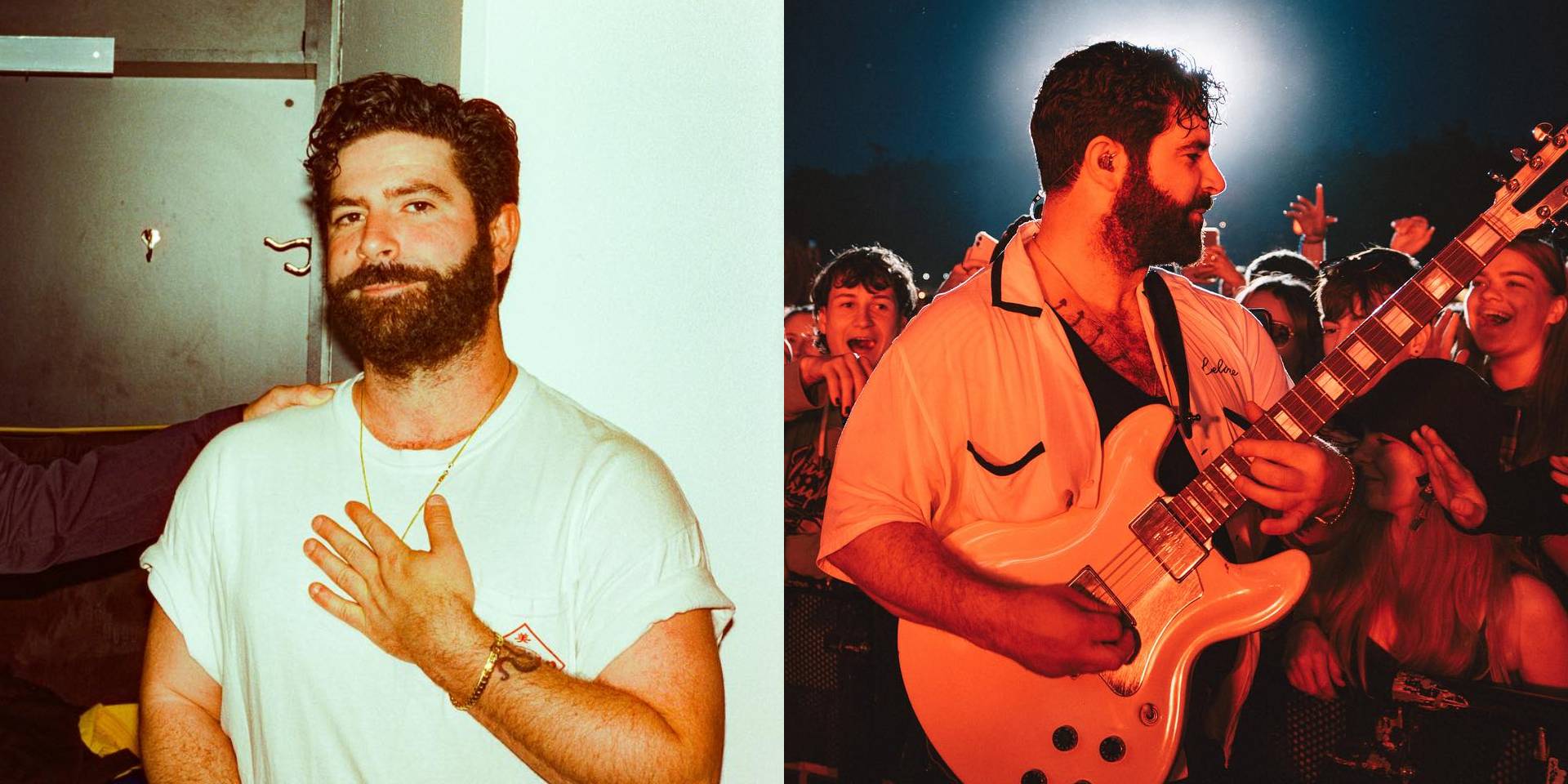
On stage, Yannis has long been the focal point of Foals. During live performances, he frequently leaps into the audience, scales barriers, and transforms shows into frenzied events. Simultaneously, in later albums like ‘Everything Not Saved Will Be Lost’, he has proven himself to be a proficient melodist, capable of crafting highly atmospheric tracks.
Jack Bevan
Jack Bevan was born on 21 December 1985 in England. He serves as the drummer for Foals and is considered one of the key creators of the band’s distinctive sound. His drumming is a significant factor in the energetic and unique quality of Foals’ early tracks, characterised by frequent tempo shifts and intricate drum patterns.
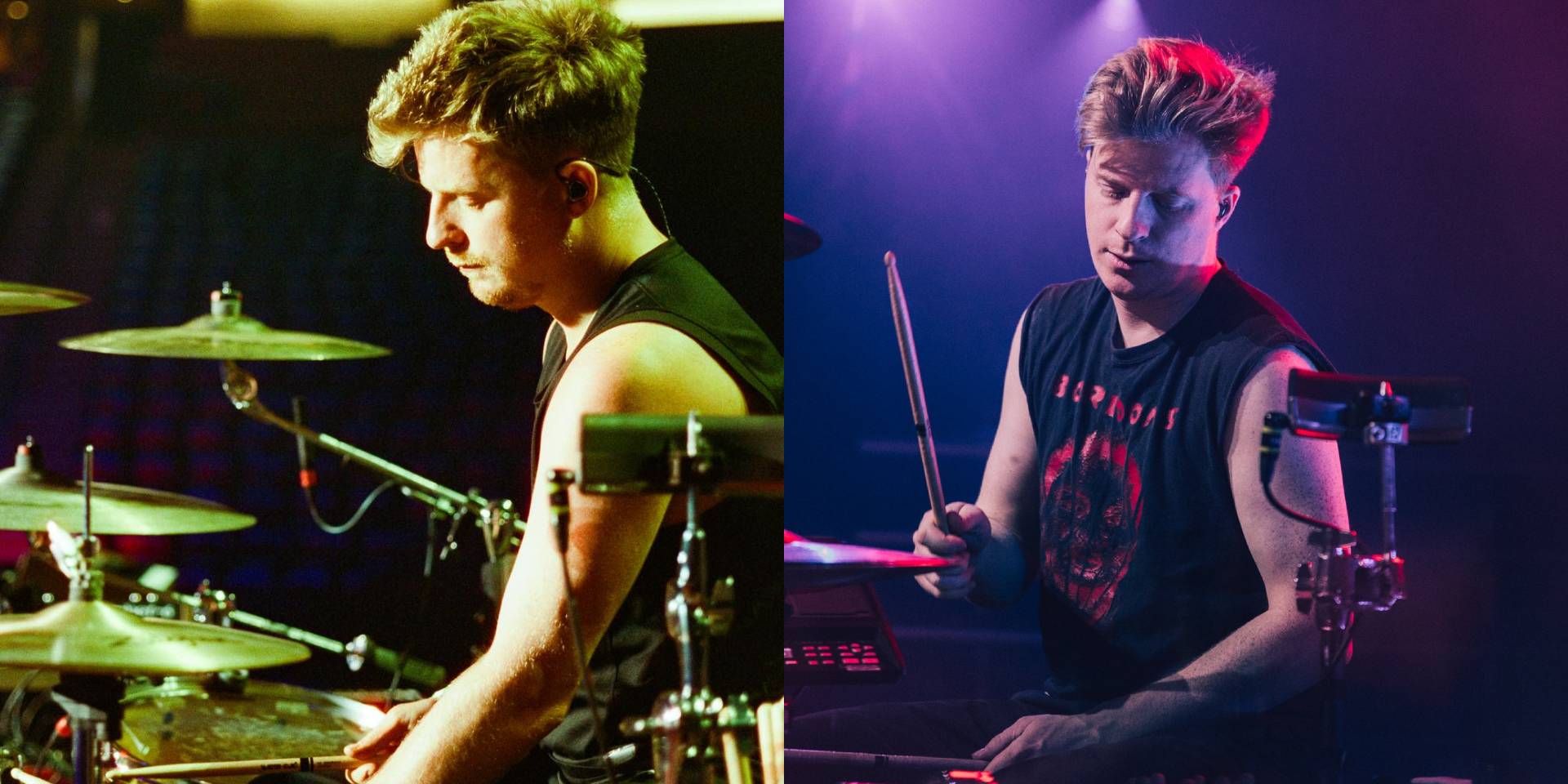
Jack has been a member of the band since its inception and has contributed to all of Foals’ studio albums. Over the years, his drumming style has evolved to be less frenetic and more substantial, especially from the albums ‘Holy Fire’ and ‘What Went Down’ onward. Nonetheless, traces of the math rock influences that defined the band’s early days remain evident in his performance.
Jimmy Smith
Jimmy Smith was born on 11 January 1985 in England. He first became associated with Foals as a touring musician, eventually transitioning to a permanent member of the group. Within the band, Jimmy contributes on guitar and keyboards, enhancing the richer, more atmospheric sound found in their later albums.
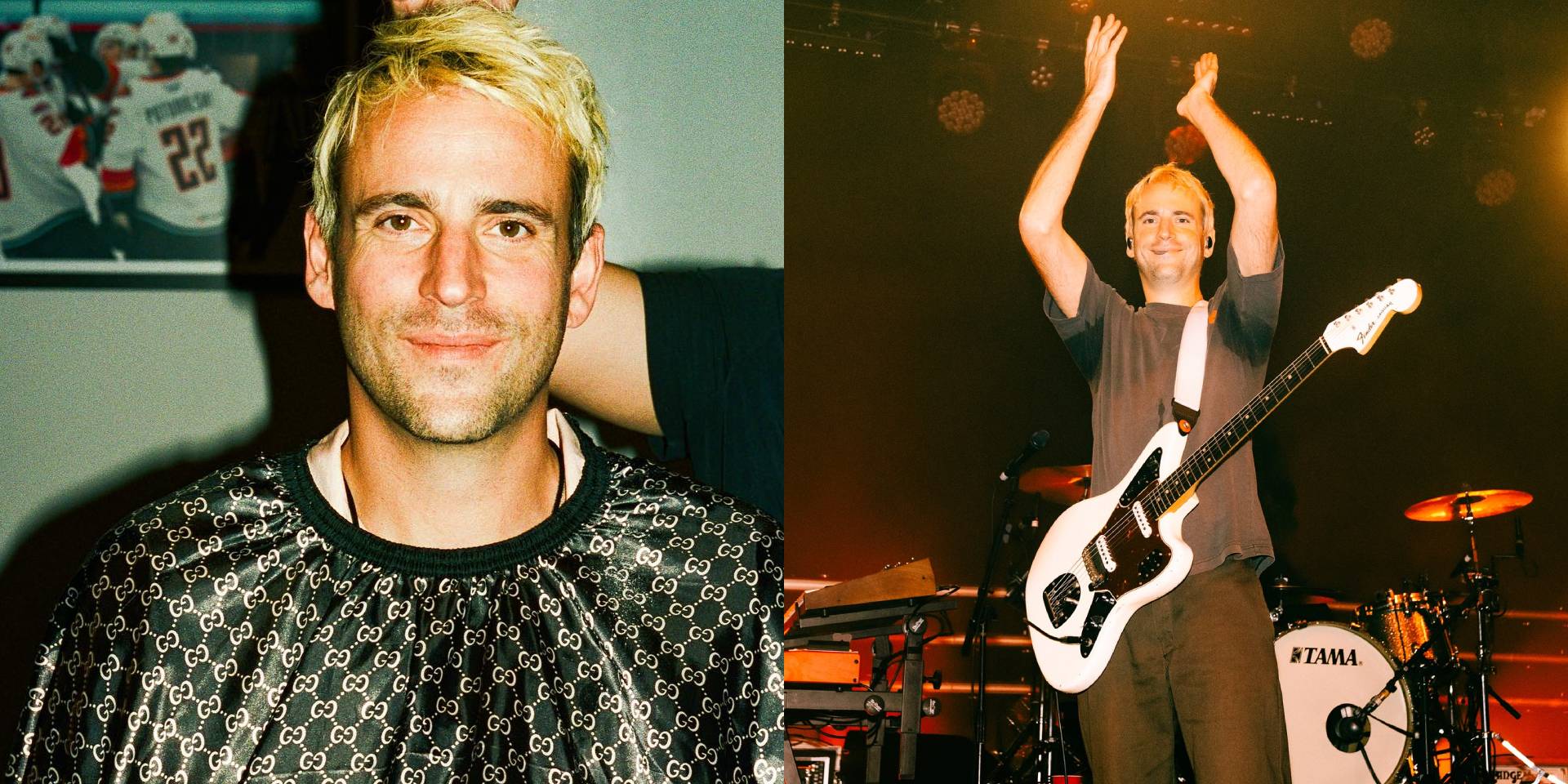
His contribution became especially significant as Foals shifted towards a broader alternative rock style. Jimmy is credited with many of the intricate guitar segments and atmospheric components that are central to Everything Not Saved Will Be Lost and Life Is Yours. During live performances, he also plays a key role in preserving the band’s dense and rich sound.
Walter Gervers
Walter Gervers was born on 28 August 1983 in England. He has served as the bassist for Foals since the band’s inception, playing a role in all their significant early releases – from Antidotes to What Went Down. His bass lines have become a crucial element of Foals’ distinctive groove, especially on the albums Total Life Forever and Holy Fire.
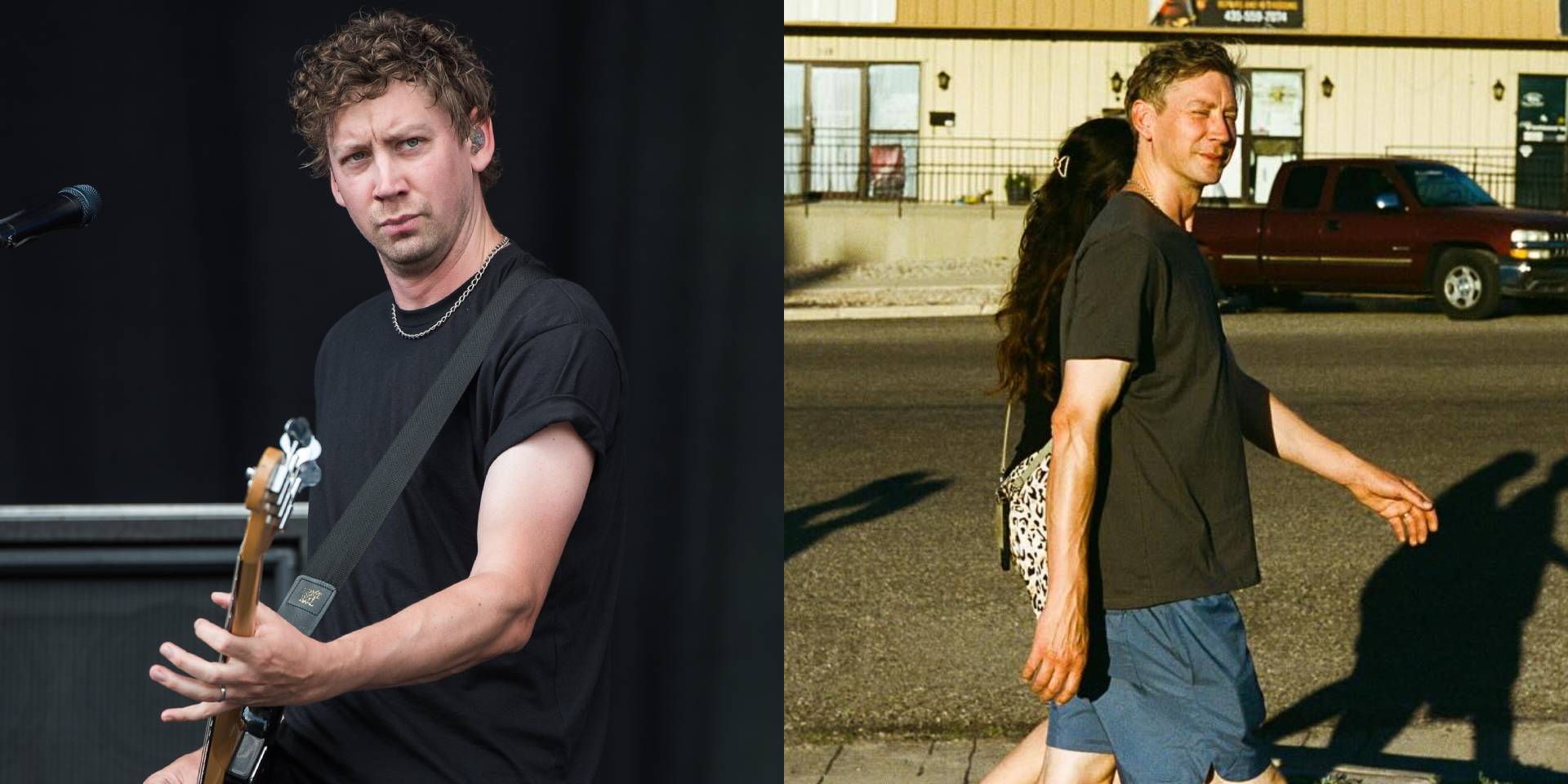
In addition to playing bass, Walter sometimes provided backing vocals and assisted with the band’s visual presentations. In 2018, he officially departed from Foals. The band indicated that the choice was mutual, and Walter subsequently sought other musical and creative endeavours. In 2023, Walter made his return to the band. Yannis Philippakis announced this via social media prior to a series of concerts and festivals.
Previous members
Andrew Mears was a founding member of Foals and the band’s initial lead vocalist. He was the one who suggested the band’s name even prior to Yannis Philippakis assuming the frontman position. Nevertheless, Andrew departed from Foals rather swiftly – before the launch of their debut album, Antidotes. Following that, he concentrated on different musical endeavours.
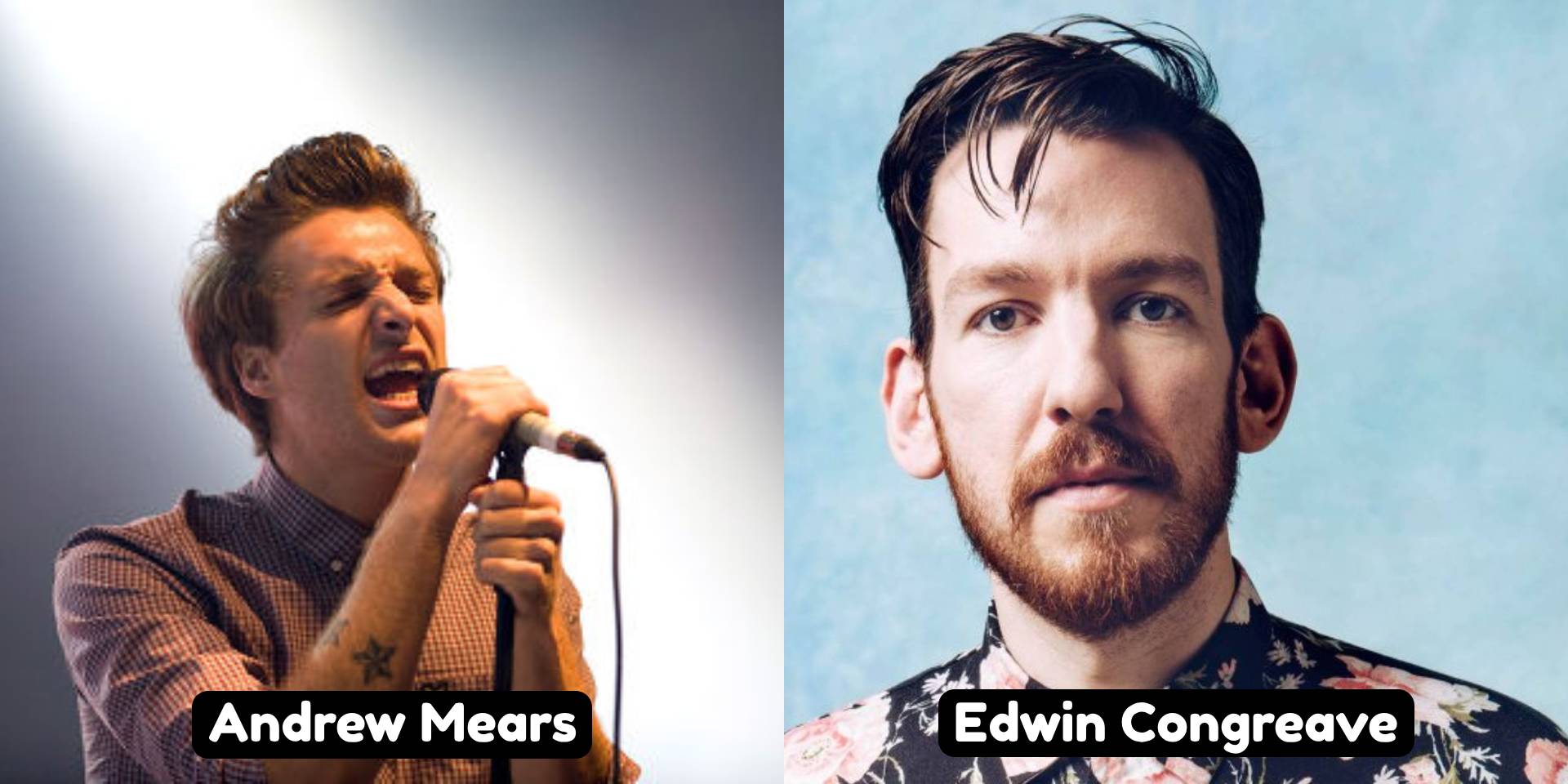
Edwin Congreave was born on 3 January 1987 in England and was one of Foals’ most unassuming yet essential members for an extended period. He handled the keyboards, synthesizers, and atmospheric components that significantly shaped the sound of Total Life Forever and Holy Fire. In 2021, Edwin declared his exit from the band, mentioning a wish to explore other projects and concentrate on his personal life.
Foals Performances
In a live setting, the music of Foals feels significantly heavier and more intense than their studio recordings. This is especially noticeable in tracks like ‘Two Steps, Twice’ and ‘Inhaler’.

One of the earliest major festivals for Foals was the Glastonbury Festival. In 2008, the group took the stage there after the launch of their debut album ‘Antidotes’, and they returned in 2010 with a vastly different reputation, following the acclaim of ‘Total Life Forever’. Their performance was frequently highlighted as one of the most impactful on the alternative scene that year.
After the release of Holy Fire, the band firmly positioned themselves among the top live acts in Britain. During the summer of 2013, Foals played once again at the Glastonbury Festival, this time on the main stage, attracting a massive audience. Around this period, they were awarded the Q Award for Best Live Act.
The Reading Festival is particularly noteworthy. For British rock bands, performing at this festival is seen as a crucial test of headliner status. Foals had been striving towards this goal for a considerable time: initially taking on daytime slots on smaller stages, they gradually ascended the lineup. Consequently, in the summer of 2016, the band headlined for the first time at both the Reading Festival and the Leeds Festival.
By that time, Foals were already filling large venues throughout Britain. For instance, many fans still regard their performances at Brixton Academy as the pinnacle of the band’s shows from the Holy Fire period. It was here that Foals’ live dynamism was particularly apparent, featuring raucous improvisations and a wildly enthusiastic audience response.
During the Everything Not Saved Will Be Lost tour, the band progressed to even larger venues. In 2019, Foals held a significant concert at Alexandra Palace – one of London’s most iconic locations. This marked an important milestone for the band: having started in small clubs in Oxford, they gradually ascended to become prominent figures in the British music scene, attracting thousands of fans.
Following the release of the album ‘Life Is Yours’, the band continued their tour across Great Britain. In 2022, Foals performed at the OVO Arena Wembley and also held a concert at the Utilita Arena Birmingham. By this time, it was abundantly clear that Foals had evolved well beyond being just an ‘indie band’, establishing themselves as one of the foremost British rock bands of their generation.
Fans frequently reminisce about the band’s show at the Royal Albert Hall. This venue is typically linked with more formal concerts, yet the band succeeded in maintaining their characteristic energy even in that setting. The performance was less frenzied than their festival appearances, but it was more atmospheric and emotionally charged. It is their live performances that have significantly shaped Foals into who they are today. While their studio albums may differ in tone and style, on stage the band consistently remains instantly recognisable – loud, vibrant, and completely unpredictable.
Albums and notable tracks
Their first album, Antidotes, was launched in 2008 and swiftly established Foals in the UK music scene. It was a highly rhythmic and restless album. It was during this time that the singles “Cassius” and “Olympic Airways” surfaced.
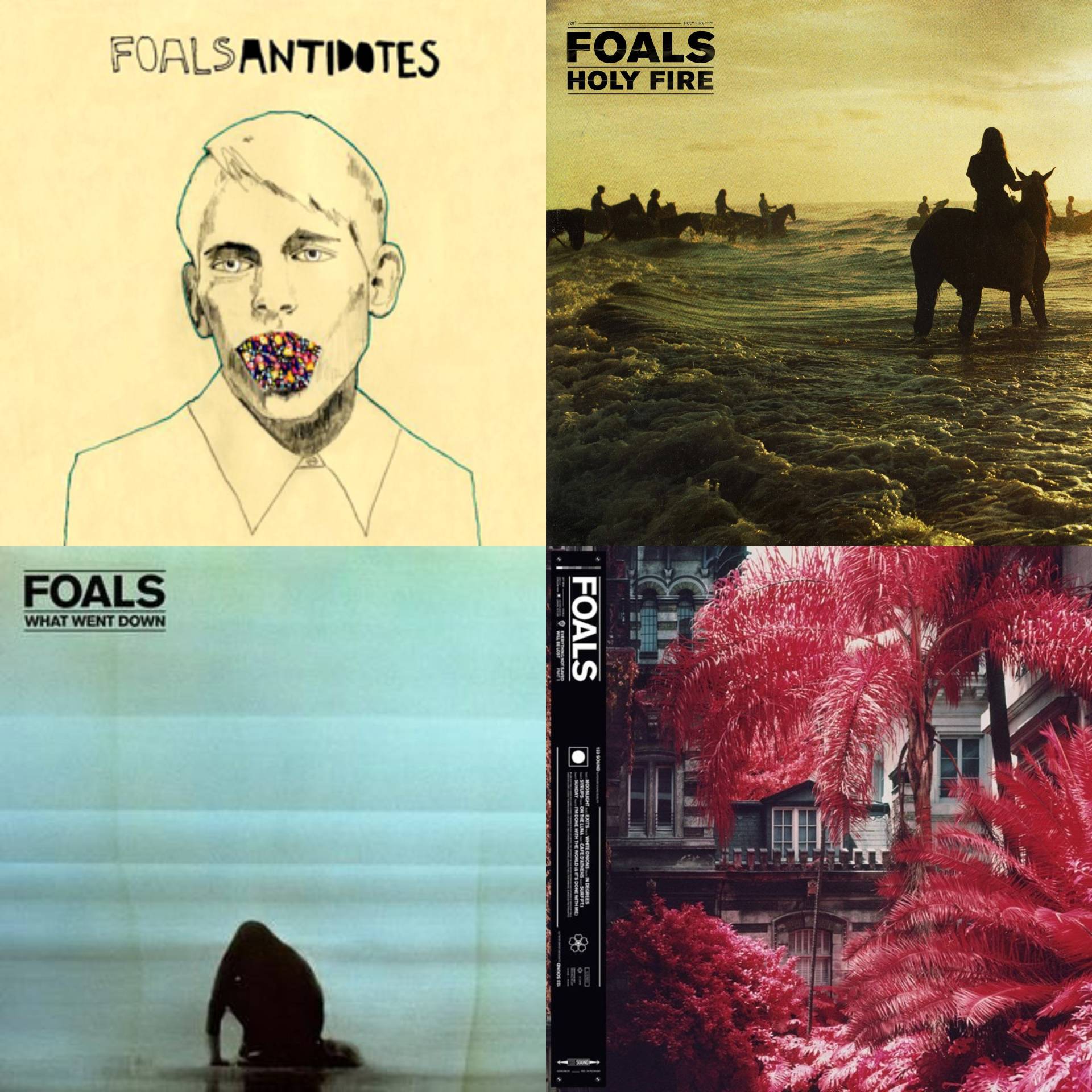
Their second album, Total Life Forever, which was significantly more successful, came out in 2010. In 2013, Foals released Holy Fire, which included the songs “My Number”, “Inhaler”, and “Late Night”.
Their subsequent album, What Went Down, released in 2015, was even more intense. The title track, “What Went Down”, quickly became a mainstay in all of Foals’ live performances. Overall, the album was darker and more aggressive compared to their earlier releases.
In 2019, the band unveiled two parts of the Everything Not Saved Will Be Lost project. The first part was released on 8 March 2019, followed by the second on 18 October. These albums displayed two contrasting aspects of Foals: on one side, atmospheric and melancholic songs like ‘Exits’; on the other, powerful and loud tracks such as ‘Black Bull’.
Many view ‘Life Is Yours’, released in 2022, as the band’s most upbeat and dance-friendly offering. In contrast to the rather gloomy tone of their previous albums, Foals produced a record influenced by disco, funk, and the vibe of summer festivals.
Foals’ most well-known tracks:
- “Spanish Sahara”
- “My Number”
- “Mountain at My Gates”
- “What Went Down”
- “Inhaler”
- “Late Night”
- “Exits”
- “2am”
- “Cassius”
- “Two Steps, Twice”
 Website
 YouTube
 Tiktok
 Instagram
 Facebook
 Twitter
What is the origin of Foals?
Foals originated in Oxford, England, in 2005. The majority of the band members connected there, through the local music scene and various other bands they were part of prior to establishing Foals.
Who departed from Foals?
The initial member to exit the band was Andrew Mears, a founding member and the original lead vocalist. This occurred prior to the launch of their first album, Antidotes. In 2021, keyboardist Edwin Congreave, who had been integral to the band’s atmospheric and electronic style, departed from Foals. In 2018, bassist Walter Gervers left the group but made a return to the lineup in 2023.
How is the name of the band Foals pronounced?
The term ‘Foals’ is articulated approximately as ‘Fouls’ – featuring a prolonged ‘o’ sound. The term ‘foals’ refers to ‘young horses’.
